Based on Australian clinical guidelines
A medically supervised way to stop drinking.
At home, with a doctor.
Stopping on your own can bring shakes, poor sleep and cravings, and it can be hard to keep going. Clean Slate is a medically supervised detox at home, then 11 months of support from the same clinician.
About 3 minutes · Confidential · No obligation

From preparation through aftercare.
Medical assessment before you start
Daily clinician calls during detox week
Your place may be funded by private health insurance
Why it hasn't stuck
Why stopping on your own is so hard.
If you've stopped before and started again, there are usually three reasons. None of them are about character.
01
Your body has adapted.
After regular heavy drinking, stopping suddenly can bring shakes, sweats, poor sleep and anxiety. For some people it can be dangerous. A medical detox manages this with medication and daily checks.
02
Cravings come back.
Cravings often return weeks after your last drink. Where it's appropriate, your doctor can prescribe medication that reduces them.
03
Support stops too soon.
The months after detox can be the hardest time, and that's often when support ends. Clean Slate keeps the same clinician with you for 11 months, with groups every day.
That's why the program has three stages: preparation, a supervised detox, and 11 months of aftercare.
As featured in





You’re not the only one
If any of this feels familiar, you’re in the right place.
Work, family, everyday life. You might be keeping everything going and still want your relationship with alcohol to change.
You don’t need to wait for things to get worse to explore support.
Check your suitabilityIf you may be dependent on alcohol, don’t stop suddenly without medical advice.
- You’ve stopped for a week before. It held, and then it didn’t.
- You tell yourself you’ll stop at one or two, but often drink more than you planned.
- You’ve searched for help at 11pm, then closed the tab.
- Everything looks fine from the outside. It doesn’t feel that way.
- You’re worried about what stopping would require.
“I’d convinced myself two bottles of wine a night was normal, until I realised it was slowly erasing who I was.”
What to expect when you stop drinking.
Stage by stage, with the same clinician.
Stopping after regular heavy drinking happens in stages. Here's what each stage involves and how long it takes.

Preparation
2–3 weeksBefore you stop, you meet your clinician and doctor and build a plan around your health, home and support person. Don't stop suddenly before your plan is in place.
What’s included
- Blood and urine tests reviewed by your doctor
- A welcome kit with supplements, a breathalyser and guide
- Preparation with your chosen support person
Detox
1 weekWithdrawal symptoms like shakes, sweating, poor sleep and anxiety usually start within a day of your last drink and ease over the following days. Your clinician calls every day to check how you're going, and your doctor manages your medication.
What’s included
- Daily clinical support and breathalyser checks
- Medication collected from your chosen pharmacy
- A doctor review after detox
Aftercare
11 monthsCravings and hard days can come back for months. You keep the same clinician, can join groups every day, and can be prescribed craving-reduction medication if appropriate.
What’s included
- Regular one-to-one clinician sessions
- Daily groups, drop-in support and monthly masterclasses
- Craving-reduction medication if appropriate
About 3 minutes · Confidential · No obligation
Your options
On your own, or with medical support.
What a supervised program adds to stopping on your own.
Considering other options? Make sure they cover assessment, detox, therapy and aftercare.
Cost & cover
A full year of care.
A clear cost upfront.
Know what’s included, what’s extra and whether your place could be funded.
- Your own clinician across the full program
- Doctor consultations before and after detox
- Seven daily clinician video calls during detox
- 11 months of aftercare and group support
Your place may be funded.
Eligible private health insurance policies and government-funded places in selected Primary Health Networks may cover your program. Conditions, availability and any gap vary. We’ll confirm what applies to you before you commit.
Check insurers & funded placesConsidering residential rehab?
Home treatment lets you stay in familiar surroundings, with a support person and local GP involved. Residential care provides support in a dedicated setting and may be more appropriate for some needs. The right choice depends on your assessment.
Read the home care and rehab comparisonConfidentiality
Your care.
Your privacy.
Knowing who needs to be involved can make the first step feel easier.
A support person and your GP.
You will need a close friend or family member to support you through your detox and to inform your local GP you are going through the program.
You generally don’t need to tell work.
Clean Slate does not routinely notify employers. Discuss your work and any time you may need off with the team.

Your clinical team
People who know your name. And your story.
You’re matched with a dedicated clinician who stays with you across the program, supported by an experienced Australian medical team.
Led by Dr Chris Davis
Dr Chris Davis is a GP and Addiction Medicine Specialist (FAChAM). Chris established Clean Slate in Sydney after developing the model in the UK, and trains other GPs through the RACGP.
A dedicated team of Australian-based clinicians
Our doctors and clinicians work together to support you through preparation, detox and aftercare.



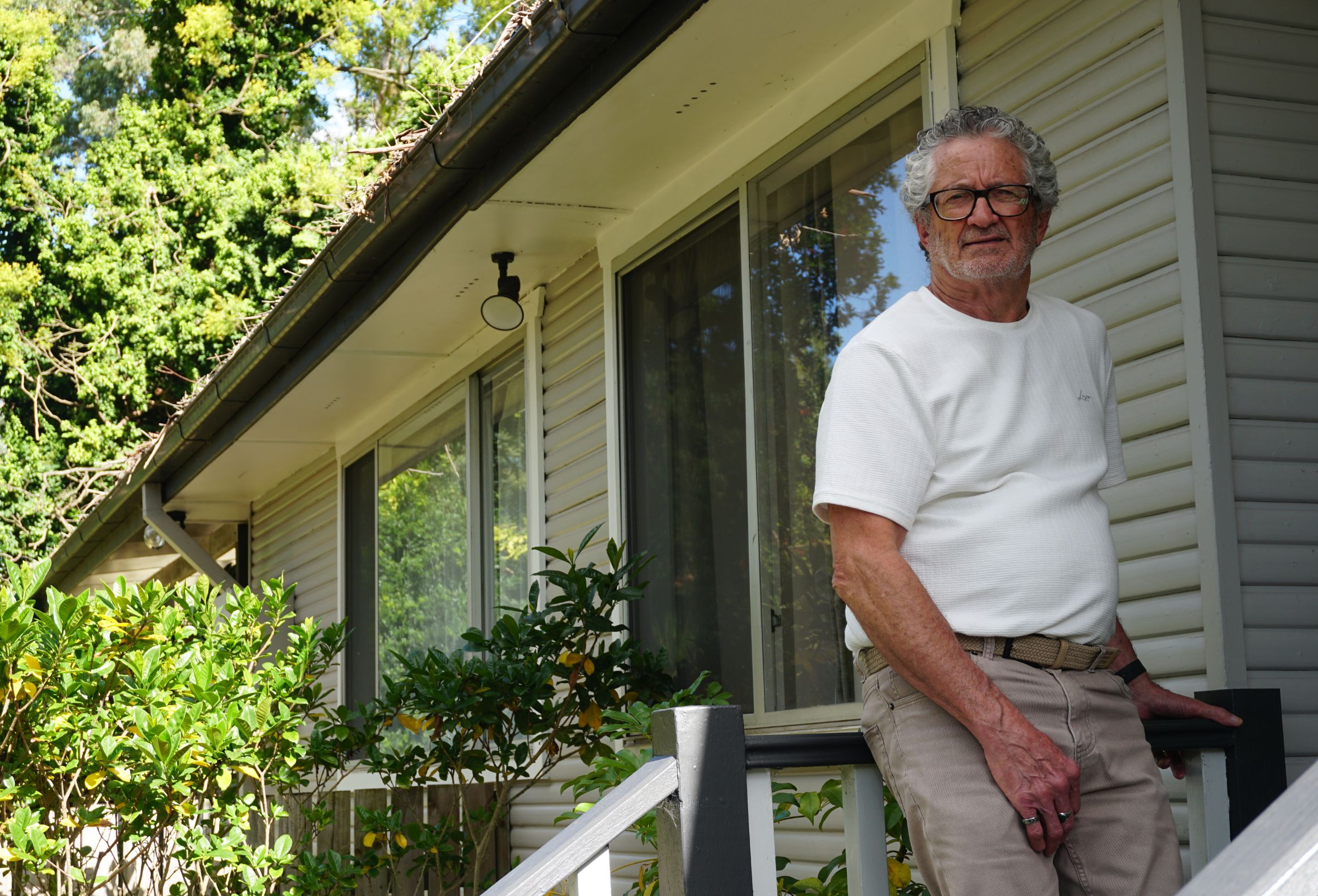
As seen on 9NEWS
See how medically supervised detox and rehab at home works, in this feature from 9NEWS.
Your next step can be a small one
Find out if this could work for you.
Start with the short suitability test. Then talk through your situation, questions and funding options on a free onboarding call.
About 3 minutes · Confidential · No obligation
Prefer to talk? Call 02 3813 8104
A note on safety: If you may be dependent on alcohol, don’t stop suddenly without medical advice. If you’re in immediate danger, call 000.
1Independent University of Sydney evaluation of Clean Slate’s home detox model: 42 of 50 participants reported meeting their alcohol goals at one month. Individual outcomes vary.
2 Cumulative client count reported by Clean Slate Clinic, checked September 2026.
3 Clean Slate Patient Experience Survey, October 2025.
Client quotes reflect individual experiences. Experiences and outcomes vary from person to person.