.png)


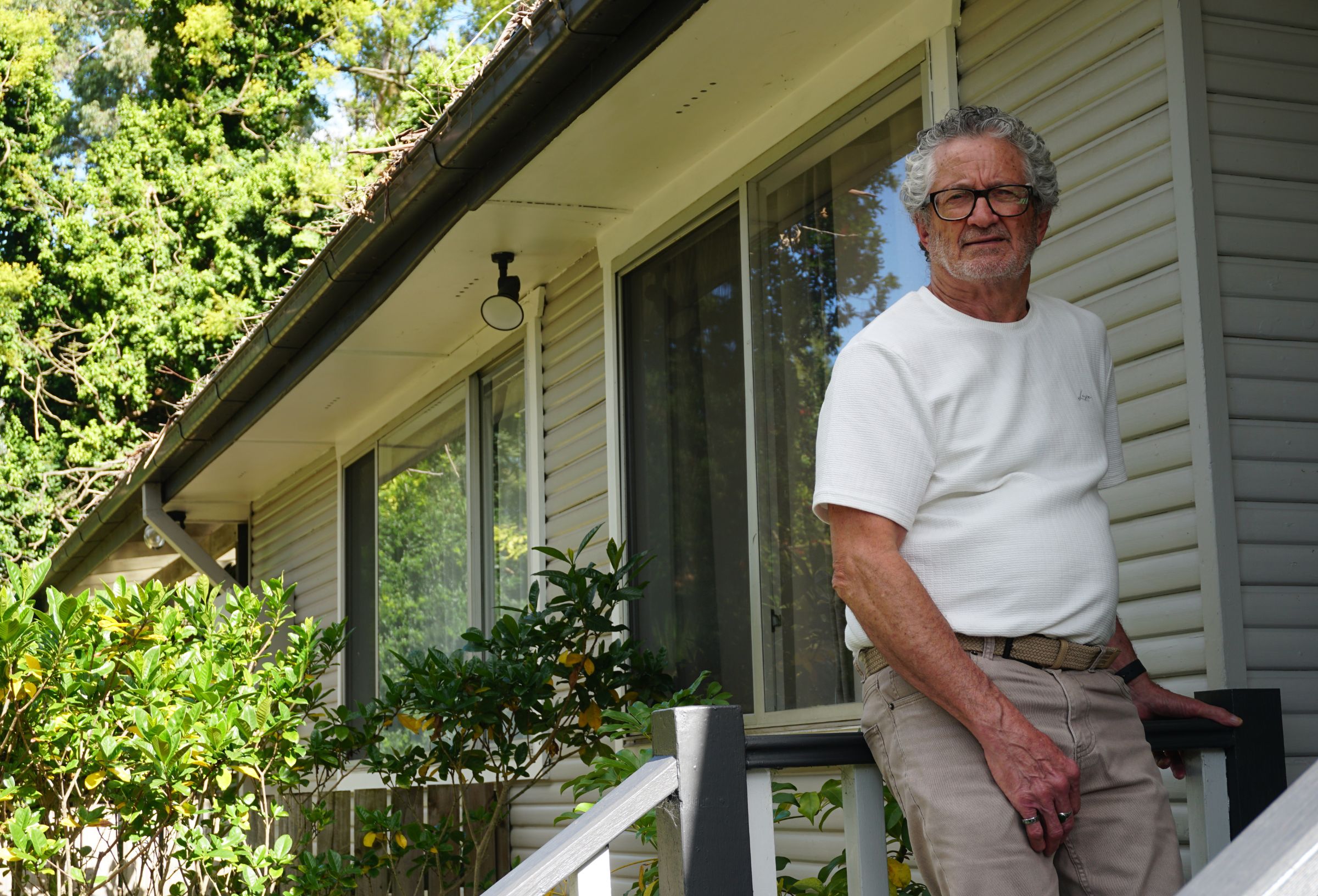
"It's all about me"
When Wayne is asked what advice he'd give to someone thinking about changing their relationship with alcohol, his answer is characteristically direct.
"It's all about me," he says without hesitation. "Don't worry about anyone else, as long as you're feeling good with yourself."
It's not the answer you might expect. There's no talk of doing it for loved ones, no promises about mending relationships, no gentle encouragement about small steps.
Just pure, unapologetic self-focus.
And for Wayne, now 14 months into his journey and fitter than he's been in decades, that philosophy is exactly what worked.
"Just reach out for yourself, that's all," he explains. "Be selfish for a change."
For someone who spent his whole life putting everyone else first, this shift in thinking wasn't just helpful - it was essential.
Decades of knowing, decades of not changing
Wayne's relationship with alcohol wasn't a secret, not even to himself.
"I always knew it was a problem," he says plainly. "But I always thought that I had the willpower to give it up."
And he'd proven he could - at least temporarily. Years earlier, he'd quit cold turkey for three months. No support, no medication, just sheer determination.
"I didn't find that difficult," he remembers.
But then he went back to it. Because when he stopped for those three months, nothing changed - his relationships stayed the same and his life looked the same, so why bother?
For decades, Wayne drank almost every night. If he didn't drink, it was an exception. He'd fall asleep while drinking - a pattern that caused tension at home but one he convinced himself wasn't that serious.
"Typically you don't think you're that bad," Wayne reflects.
He wasn't falling apart - he was functional, he maintained a level of fitness, work was fine and life carried on. Except the years kept passing and Wayne kept drinking.
"I wanted to be there for my grandchildren"
At 67, Wayne started thinking differently about time because he wanted to be there for his grandchildren. He wanted to actually be present, healthy and active.
"I wanted to get some health back," Wayne says. "I used to be really quite fit."
So that became his focus. Not fixing relationships. Not meeting anyone else's expectations. Just reclaiming what he'd lost - and making sure he'd be around to see what came next.
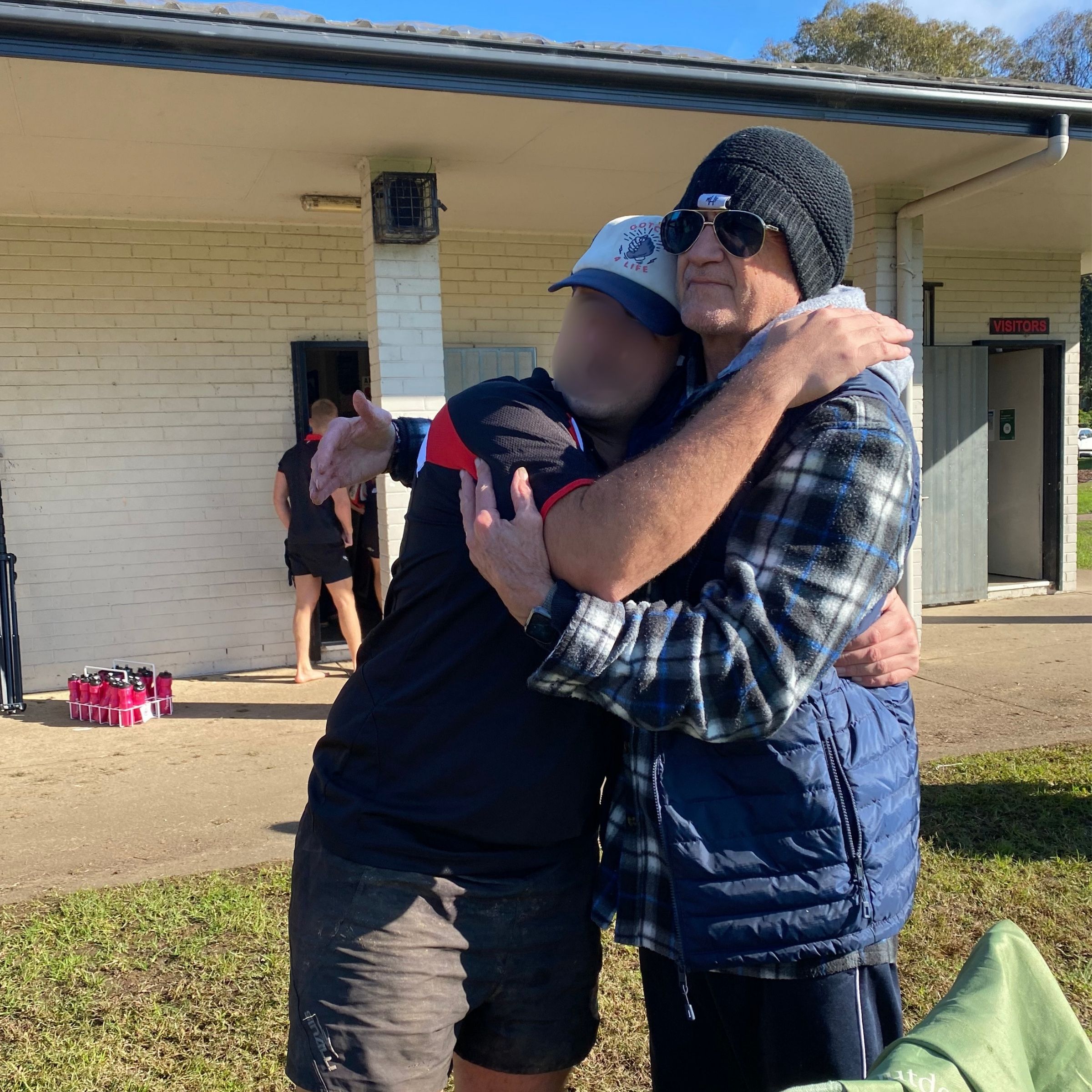
"I decided I was going to do this for me," he explains. "Forget everyone else, I was going to do it for me."
Finding the right support
Wayne found Clean Slate through a Google search. When he started talking to the team, he says it felt like a good fit - professional, positive, straightforward.
"But that didn't make much of a difference because I'm a positive person," he clarifies. "I knew that I could stand up to the challenge."
What did make a difference was that his health fund covered the program.
"That was a turning point, I think. Even though I now believe I've saved thousands of dollars in only 14 months, I would've paid for it anyway. But it helped."
From the very first session, his nurse Catherine had made a lasting impression.
"While you can sound empathetic to somebody's issues, you can tell by somebody's body language whether they're involved in your story," Wayne explains. "It wasn't just putting words to statements. I could feel that every time I spoke to Catherine, she was genuinely proud of what I was achieving."
"That was the biggest thing for me - for Catherine to be genuinely proud of what I'd done."
The challenge, not the hiding place
Wayne stopped drinking on October 16th, 2024, and he described his detox as surprisingly easy with the support of his Clean Slate nurse.
But Wayne's approach to his environment might surprise people.
He had always been surrounded by alcohol at family gatherings and social events - and rather than removing this temptation, he chose to keep it front and centre.
"I chose not to lock up my liquor cabinet," Wayne says. "I wanted to use it as a challenge."
There's a bottle of red wine - the kind he used to drink all the time - sitting on his bar right now, untouched for 14 months.
"It's just good to see it's there unopened," he reflects. "I just wonder if other people have seen it on my bar and thought, 'Oh, it's still there.'"
For Wayne, this approach worked. Previously, he would wake up in the middle of the night and take a small sip of alcohol - just enough to get back to sleep - and breaking that habit meant confronting it directly, instead of avoiding it.
But he's clear: this is what worked for him and it certainly won’t be for everyone.
The fitness religion
When Wayne talks about exercise, he doesn't call it a habit or a routine. "It's a religion," he says.
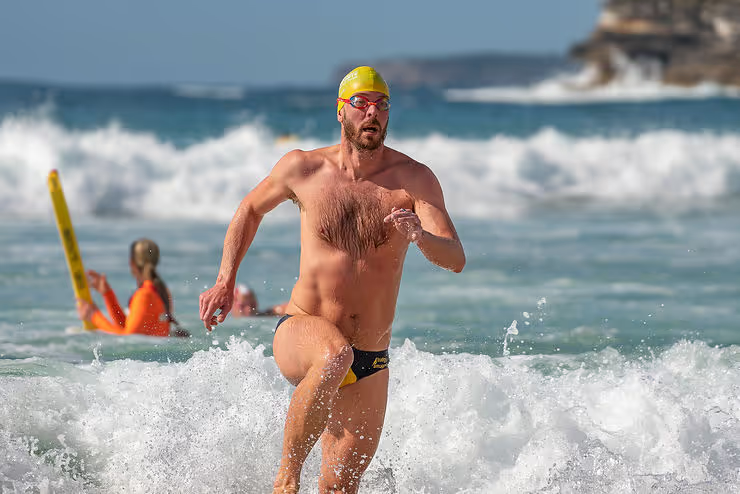
"I'm 68 years old and I'm in the gym for an hour every day, plus walking," Wayne says with unmistakable pride. "I want to live longer."
He can look back at his activity watch and count the days he's missed since the start of the year. There’s about five days - and a couple of those were because of a medical procedure.
Wayne isn't just fit for his age - he's reclaimed the fitness levels he had when he was younger.
"When I was in my twenties and thirties, I was pretty damn fit," he remembers. "And now I'm pretty damn fit again."
His health markers tell the same story, with a recent blood test coming back entirely clear..
And the money he's saved in that time? It amounts to thousands of dollars that used to disappear into bottles and late-night drinking.
Wayne jokingly reflects on becoming more direct, saying "I tend to say what I think instead of keeping it in. I just get annoyed with people. I don't know if that's a result of no longer drinking."
Maybe it's seeing things through a clearer lens, or maybe it's having less tolerance for things that don't matter - either way, it's different in the best way.
Watching from the other side
One of the strangest parts of Wayne's journey has been watching other people drink.
He's surrounded by drinkers, from family gatherings to social events and celebrations - drinking has always been part of the culture.
"Now I look at them and think, 'Oh God, I hope I wasn't like that,'" he says.
It's given Wayne perspective on what he used to be like - the falling asleep, the loss of control, the nights that blurred together. Things that he minimised when he was in it.
"Being in a family of drinkers and putting yourself in that environment - that can really test you," he admits. "But I found it a lot simpler than I thought I would."
His advice? Focus on yourself. Not on changing others, not on avoiding situations, just on your own path forward.
The stage of life that mattered
Wayne is clear about one thing: he couldn't have done this 30 years ago.
"I mean, I played sport and drinking is part of the culture. I always played sport. But now I'm older and wiser and I want to live longer. I took the bull by the horns."
Being 68 changed the equation. The prospect of grandchildren changed it. Wanting to reclaim his health before it was too late - that changed it.
This isn't a story about hitting rock bottom or dramatic consequences forcing change. It's about reaching a point in life where the motivation became crystal clear.
Fourteen months in, Wayne is thriving. He's fitter than he's been in decades, his health is excellent, his focus is sharp, and he's saved more money than he could have expected.
And he's doing it all for himself.
"I've never been like that," Wayne admits. "I've always put everybody in my life first. And now I'm starting to say what I think and put myself first."
His advice for anyone thinking about making a change is the same advice that worked for him:
"Just reach out for yourself. Be selfish for a change. As long as you're feeling good about yourself, that's what matters."
It's direct. It's unapologetic. And for Wayne, it's exactly what made the difference.
At 68, he's not just surviving - he's reclaiming everything he thought he'd lost. And he's doing it entirely on his own terms.
.svg)





Ready to get started?




Subscribe


.avif)