.png)


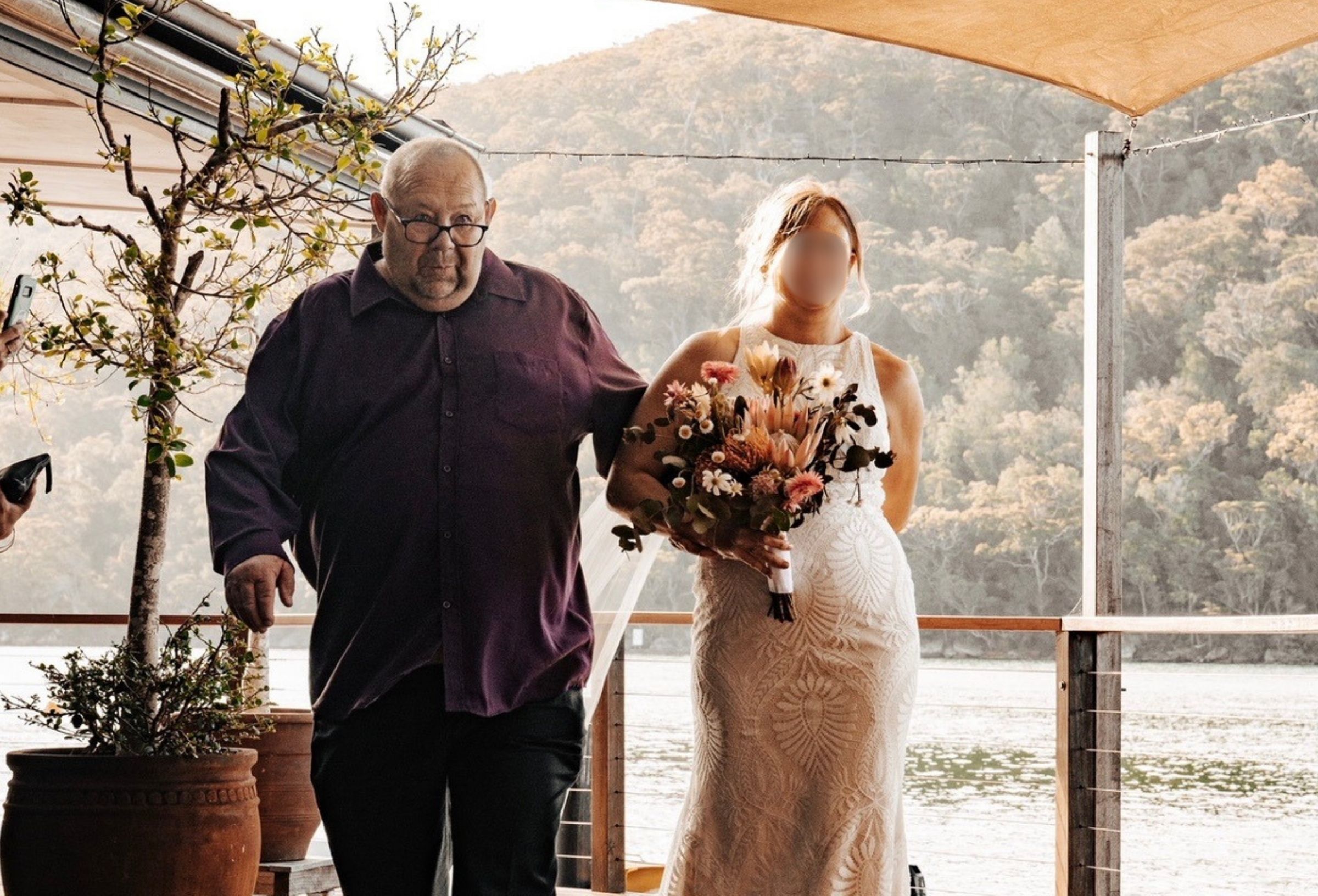
“I’ll quit tomorrow”
For ten years, Rod told himself the same lie every single night.
“I’d go to bed every night thinking, ‘I’m gonna give it up tomorrow,’” he says. “But it never happened.”
Tomorrow became the next day, which became the next week, which became another year. The promise was always there sitting just out of reach, waiting for some perfect moment that never arrived.
“You just think you can, but you can’t,” Rod reflects now.
By the time Rod reached out for help, he’d been drinking heavily for 50 years. An entire adult life built around alcohol. But then one morning in late January, something shifted.
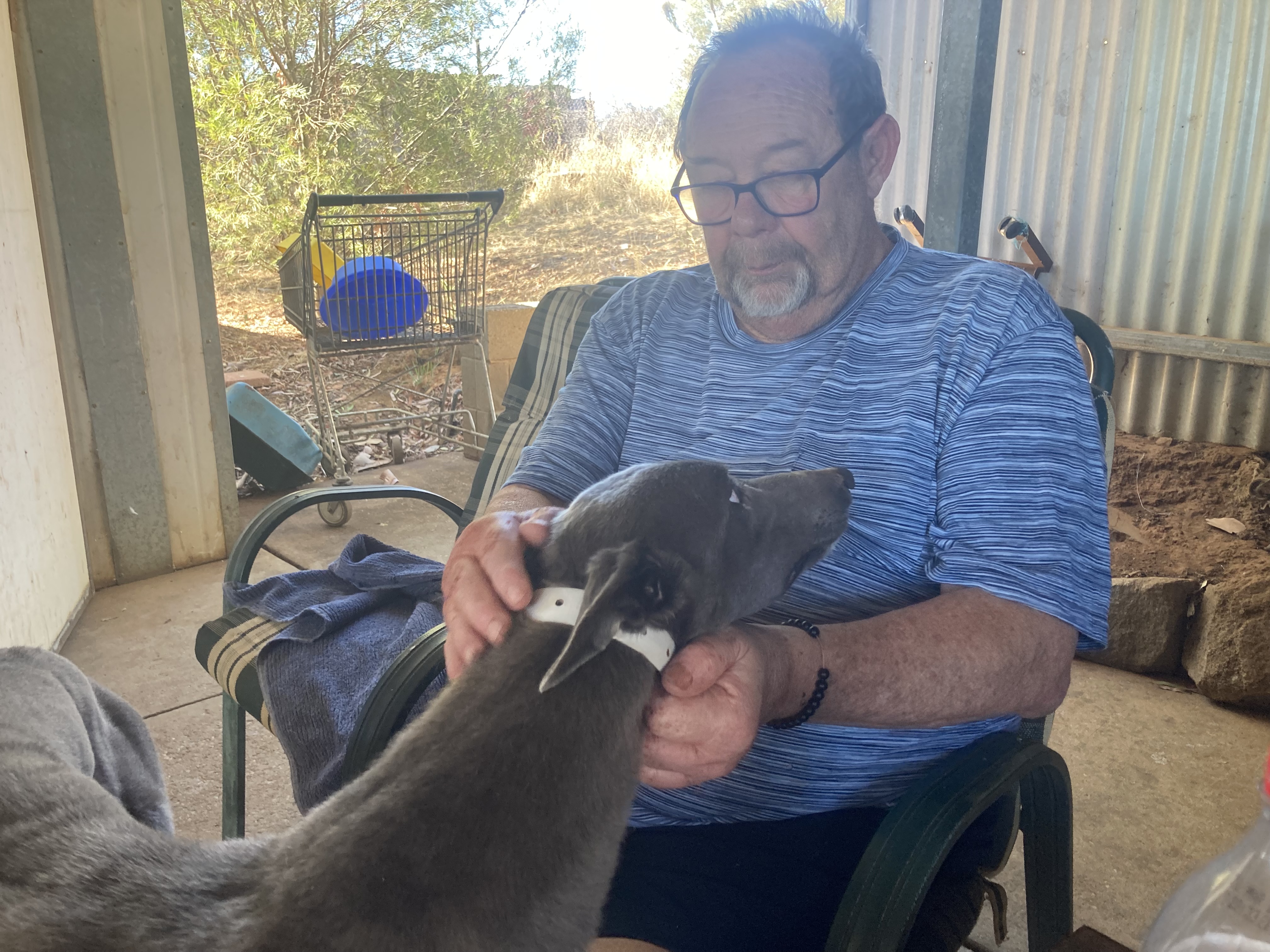
Fifty years of normal
Rod started drinking at 17. It was just part of the culture in the building industry, surrounded by “tradies” who were all drinkers.
“It didn’t matter what day it was,” he remembers. “You’d go anywhere and there were always a few beers. It just went together.”
It wasn’t questioned and it wasn’t a problem - it was just how you lived. Then that pattern became an automatic, daily routine.
“The first thing I did in the morning was get up, walk to the fridge and see how many drinks I had for that day,” he explains. “If I didn’t have enough by 10 o’clock, I’d get more.”
Work wasn’t a problem either - Rod could do his job just fine. But by 4 o’clock knockoff, he had to have a drink. If there wasn’t one in the fridge at the workshop, he’d immediately jump in the car and grab one.
“I lived seven minutes away from a bottle shop, and I couldn’t wait till I got home,” he says.
By eight o’clock, Rod would be asleep on the lounge and his wife Sandra would tell him to get to bed. Then they’d argue, almost every time. It was like clockwork.
His three daughters had left home, and Rod hardly ever drove out to see them in the afternoon because he’d already been drinking. If the family went out for dinner, Sandra would have to drive because Rod had already drunk too much.
Racing greyhounds was another part of his life for 40 years, where there were drinks waiting every week at the track. Again, it was just a part of the culture.
His parents would tell him he drank too much, but he didn’t take any notice.
“I kept thinking, ‘I can stop tomorrow,’” he says. “But I didn’t.”
And seeing his friends always revolved around drinking. If someone came over, they always brought a carton. The same people, the same pattern, year after year.
The morning everything changed
Around Christmas, Rod started seeing an ad for Clean Slate pop up on his Facebook feed. He kept looking at it and scrolling past, but he couldn’t seem to stop thinking about it.
Then one morning in late January, Rod got up and looked in the mirror.
“I thought, ‘What are you doing to yourself?’” Rod remembers. “I went straight out and got on the phone.”
He called the number and filled out the suitability test. Within a fortnight, he was having his first appointment with his nurse, Fiona. Rod was nervous going into that first appointment, but his worries were quickly settled.
“Fiona was just so easy to talk to,” Rod says. “She comforted me and explained things. No judgment of me or anything like that - she just treated me like a human.”
The detox itself was easier than Rod expected. He started on a Monday, picking up medication from the chemist daily, checking in with his nurse each morning and using the breathalyser that had been mailed to him.
But Rod made a decision early on that would shape everything: he was going to be honest and tell people the truth. No hiding or making excuses.
“I spoke to probably 20 people,” Rod says. “Told them I had a problem, that I was struggling with my drinking, and that I was going through Clean Slate.”
“They all accepted it except one person,” he remembers. “He told me to grow up and pull my head in, ‘don’t be so stupid’.”
Rod lost contact with that friend for three months. But everyone else? They congratulated and encouraged him. His wife Sandra, his children, his mates - they all supported him.
And then there was his local bottle shop.
Rod had been going to the same bottle shop for years. So much so, that they even knew his order by heart. One day, Rod walked in and the worker started his usual greeting: “Carton of VB and a bottle of port?”
“No,” Rod said. “I want a bag of ice.”
There was a pause.
“Why?” the worker asked.
“I’ve given it up,” Rod said. “I’m off it.”
The response was immediate: “Good on you. You’re having a crack at it. Good on you.”
“That really lifted my spirits,” Rod says now. “He wasn’t just selling me the beer. He genuinely wanted to be a friend of mine. I still speak to him every week.”
Three months later, the friend who’d told Rod to “grow up” came back with a different request: “Can you help my nephew? He has a drinking problem.” Rod was happy to help.
Finding community
From day one, Fiona encouraged Rod to attend the peer-support group meetings, and what he found in those meetings was something he didn’t realise he’d been missing: real connection with people who understood.
“You meet different people and we’re all in the same boat - different story, but we all understand what’s going on,” he explains. “There’s some really good people in the meetings.”
There was Dave who shared paintings and terrible dad jokes, and Donna, who Rod misses terribly now that she’s finished the program. Ultimately, these meetings became a cornerstone of Rod’s recovery - particularly after the three-month mark when he had to rebuild his lifestyle without alcohol, which Rod describes as “the hardest thing I’ve ever done in my life.”
But perhaps most importantly, the peer support helped Rod embrace the honesty that became his foundation.
“I found the biggest thing with me - once I admitted that I had a problem, I was halfway there,” Rod says.
The learning curve
For the first three months, Rod avoided situations where alcohol would be front and centre. He didn’t go to a single race meeting after 40 years of going every single week. When his sister-in-law had her 60th birthday lunch at a winery just three weeks into the program, Rod didn’t attend.
“I didn’t think I could take that step yet,” he explains. “It took me three months to take those steps.”
But when he finally went back to the racing track, Rod was met by a wave of support from the people he’d known for decades.
There were other adjustments too. Rod hadn’t driven at night in 20 years because Sandra had always driven if they were going anywhere in the evening. One afternoon, Rod decided to visit his daughter who only lived 10 minutes away. They talked until it got dark and Rod drove home... except he got completely lost.
“I had no idea where I was,” he laughs now. “Instead of turning right, I turned left and ended up 10 miles away from the corner I was supposed to be at. I had to backtrack and find my way home.”
It had been twenty years since Rod drove in the dark. It was a small thing, maybe. But it illustrated just how much alcohol had shaped his life.
What’s different now
Rod has lost 15 kilos and is in what he calls “a pretty good space at the moment.” He can drive at night now, he visits his daughters regularly, and he even goes to his grandson’s soccer games on Saturday afternoons.
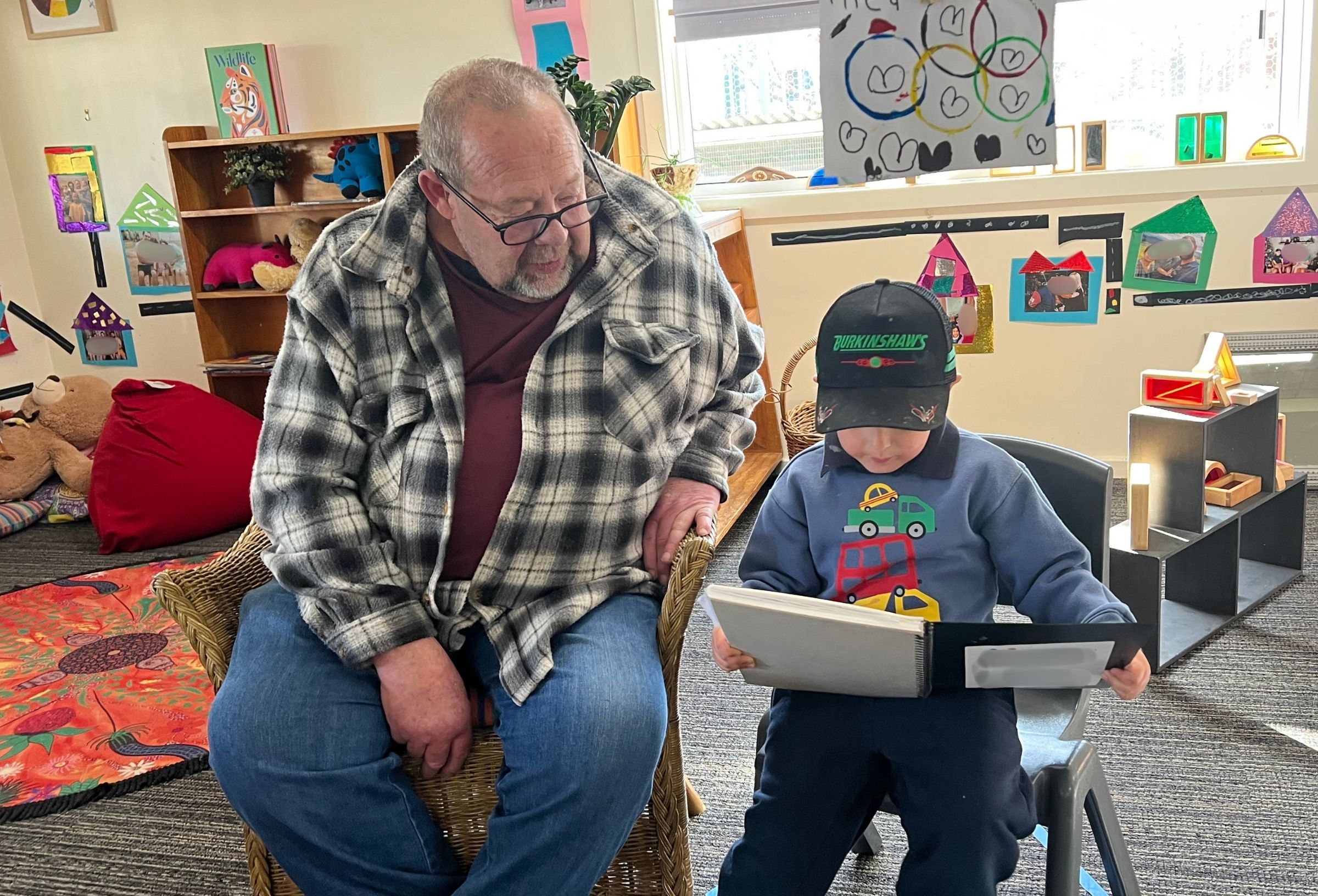
“Before, I wouldn’t have been able to, because I would’ve already been drunk before 12 o’clock,” he explains.
His relationship with Sandra has only become stronger, and the nightly arguments at eight o’clock are a thing of the past. But perhaps most significant, is how Rod now handles stress.
“If something goes wrong now, I generally don’t worry about it. I know I can fix it. And I know these things happen,” he says. “Before, I would’ve blown up - I would’ve thought to myself: ‘Jesus Christ, what have you done?’”
There was a moment that illustrated this shift perfectly. A good mate of Rod’s came over and they had a disagreement where the friend accused Rod of lying.
“We went back and forth,” Rod remembers. “It went on for five, ten minutes. But I used Fiona’s technique of deep breathing and I sort of called a halt to it. I said, ‘Come on, this is stupid.’ We shook hands and that was the end of it.”
Before? “I would’ve just said, ‘Piss off. Don’t come back. Get out of my life.’”
The friendship survived, the situation was resolved and Rod didn’t blow up his life over a disagreement.
Now Rod can go out and have two beers socially and stop. He’s in control of it, not the other way around.
“Before, I’d have one on the way and two at the place, and then if I had to drive seven minutes to the shop to get milk, I’d have one and take one with me,” he says. “Now I know if I’ve got to go somewhere and drive, that’s how it is and I don’t do it.”
What Rod wants others to know
When Rod talks to people considering getting help, his message is clear: don’t let fear hold you back.
“Don’t be frightened of it,” he says. “You’ve never been there, but you’ll find a different world there - more freedom, more things you can do, more motivation.”
His advice? Think about what you really want - to stop drinking completely, or to go back to social drinking where you can stop after a couple of drinks - and commit to it. Go to meetings every week if you can and be honest about the struggle.
“There’s nothing to be ashamed about,” Rod says firmly. “Once you admit to it, does it really matter what anyone else thinks about you? Once you get it out there, it’s off your chest. I think you’ll feel better.”
For Rod, the honesty wasn’t just about telling other people. It was about telling himself the truth.
And most of the time, that truth was met with support, encouragement and genuine care. A bottle shop worker who genuinely wanted him to succeed. A nurse who treated him with dignity. Wednesday meetings that felt like home. Friends who called to check in.
“It’s a bit like going into surgery,” Rod reflects. “It’s the fear of the unknown.”
But once you step into that unknown - once you look in the mirror and decide “today’s the day” - you find you’re not alone.
Fifty years is a long time. But it’s never too late to find that different world Rod talks about. The one with more freedom, more presence and more connection. The one where you don’t promise yourself “tomorrow” anymore, because you’re already living it today.
.svg)

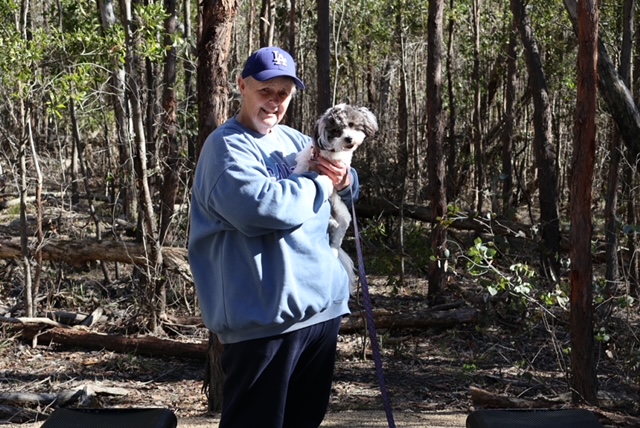


Ready to get started?



Subscribe


.avif)