.png)


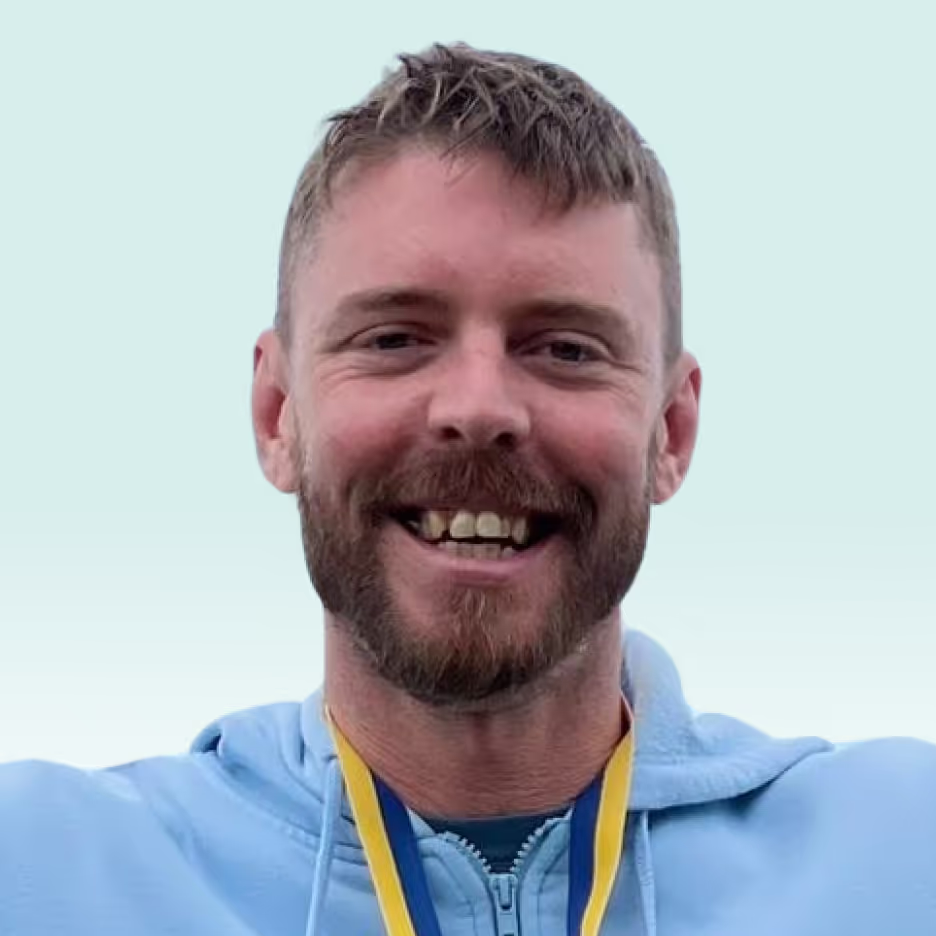
James' Story
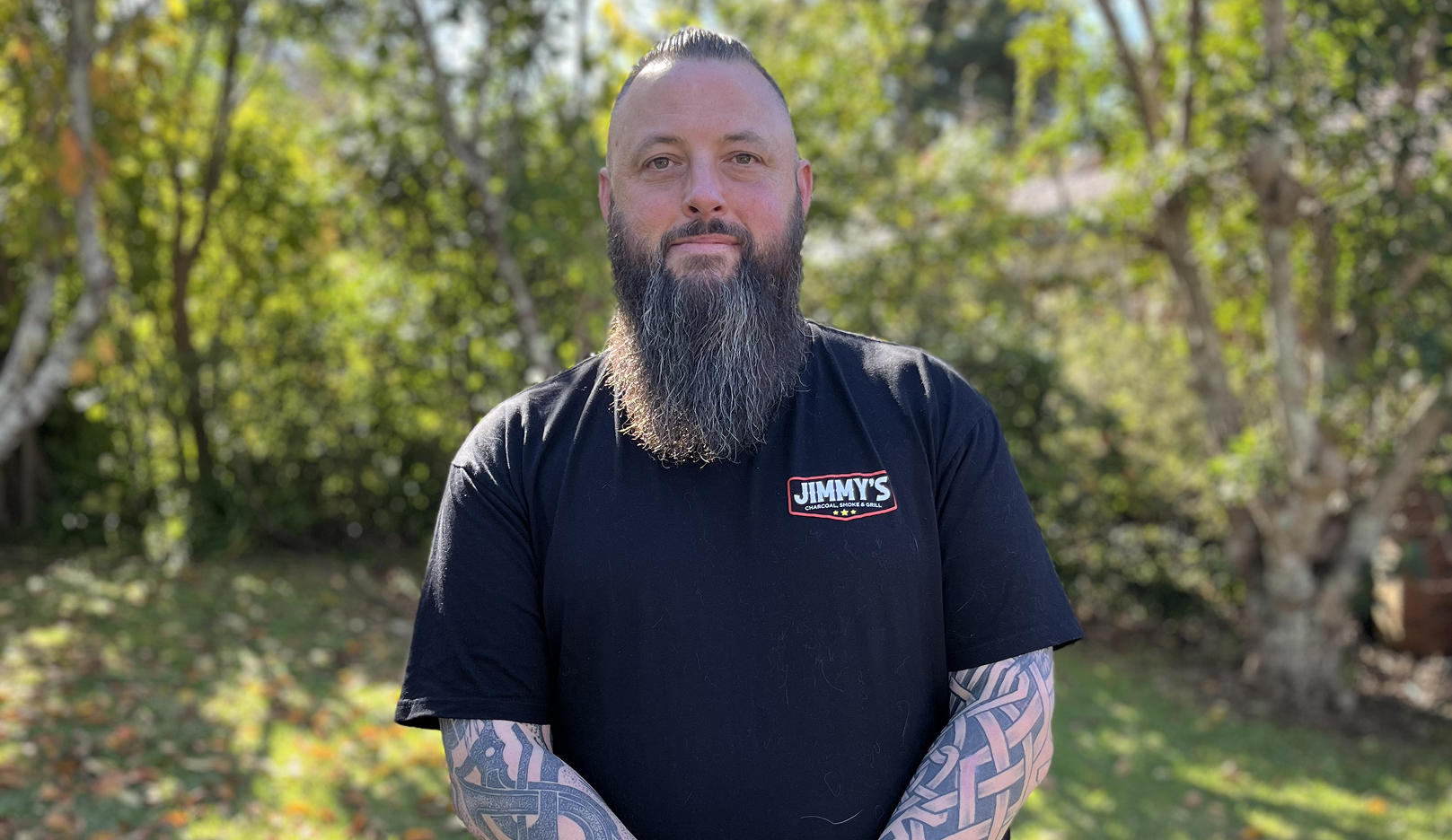
"It took priority over everything"
For more than twenty years, alcohol had what James calls a dominant role in his life - and for most of that time, he was in denial about it.
"I had quite a few people tell me, or hint at it, show a lot of concern - probably those closest to me," he says. "But the dominance led to me putting that aside and not wanting to acknowledge it."
An average day ran to a fixed pattern. He'd go to work, and on the drive home he'd already be thinking about the first drink. "It would take priority over everything else," he says. "It was almost a subconscious acceptance that what I was doing was okay. I justified it to myself. Very selfish in hindsight, but at the time you don't acknowledge it."
He'd been exposed to heavy drinking from a young age - the Australian culture of the late 90s and 2000s, then the wining and dining of semi-corporate work. "My personality was always about excess," he says. "I would never have any control over that - but I never understood that I had no control over it. It just was what it was."
The father my kids deserved
The heaviest cost was at home.
"If your wife's crying because she doesn't think you're going to be around for long for your boys," he says, the weight of it still audible, "I didn't respond to that as well as I should have. And that sits with me every day."
It was the small moments with his kids that cut deepest. A call to come and pick them up, and an excuse as to why he couldn't.
"They called you because they wanted your help. You said you can't, and you told them a lie. And then down the track they comment and say, 'We know why.'"
At that time, James was drinking seven days a week, the same time, the same amount - but it crept further, and the broken promises began to compound. ‘I'm going to try and stop’, he'd say, and the next day be back to the status quo. Eventually people stopped believing him. And somewhere in there he entered some genuinely dark places.
"You actually thought, there's no way out. I'm letting everyone down. I can't get out of this." If there's a message he wants people to hear from that stretch, it's this: "It's okay to not be okay. But self-medicating with alcohol is not the way out."
"It doesn't discriminate"
He'd tried the traditional route. His GP told him the obvious - he was drinking too much, his blood tests were through the roof, liver damage on the horizon. "Funny enough, that was never enough for me." Cutting down never held either; he'd buy one bottle instead of three and simply go back out for more.
By the time Clean Slate came up, he was, in his words, facing an uphill battle with no idea which way to go.
It reached him through a mutual friend - a healthcare professional who was a client of the clinic herself, and who mentioned it to James' wife.
"She's a professional in health services. So it just goes to show - it doesn't discriminate."
What convinced him was that it was believable, in a marketplace full of quick fixes that aren't. It mattered, too, that one of the co-founders had been through it themselves. The cost gave him pause until he did the maths on what he was already spending on alcohol and cigarettes - and the first consultation surprised him.
"I thought it'd be really clinical and impersonal. It was quite the opposite. It was really human." For the first time, he says, he had hope - "which I had zero of up until then."
Breaking the habits
"The hardest thing... is breaking habits," James says. He'd been so deep in routine that the first question was simply what to do with himself.
The support was there to fill the gap: nurse appointments already booked in advance, someone to call when he got stuck, and immediate access to peer-supported group meetings - rooms full of like-minded people at every stage, from two days in to a couple of years, where you can talk as much or as little as you like under a facilitator’s guidance. In his sessions, he and his nurse worked through the challenges, named the little wins, and treated setbacks as something to respond to rather than fear.
"You look forward to reporting on how you've been going. If you say everything's still the same, they get blown away. They get excited with you."
"Three bottles of wine a day for as long as I can remember. To nothing." Nearly twelve months on, he hasn't touched a drop, or wanted to.
What he hadn't expected was the clarity. With the drinking gone, he realised most of the problems that had been giving him grief had been created by the very thing he'd given up.
"It's like a reset button. Like turning over a new piece of paper, with no writing on it."
That blank page scared him at first - he'd only ever known one way - but once the broken sleep, the morning anxiety and the cloudiness lifted, he had energy to channel back into the things that mattered: relationships, work, hobbies.
A whole new life
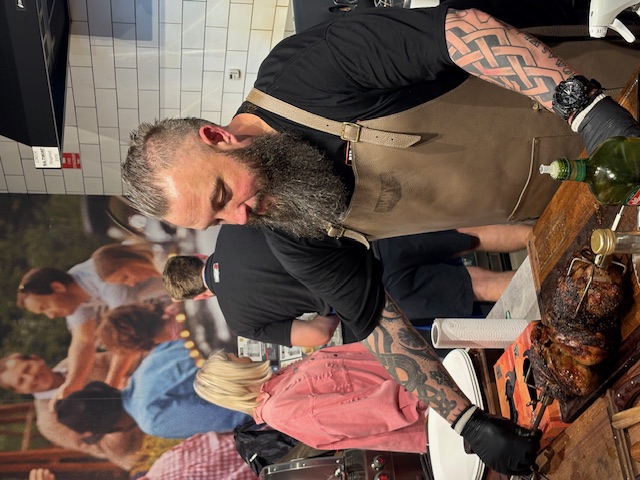
That energy found a home in something he'd always loved: barbecuing.
What had been feeding family and friends has become a professional pursuit. James now leads barbecue masterclasses across Sydney, and shares his tips, tricks and recipes on his Instagram and Facebook pages. He's being invited to work alongside heavyweights in the industry and trusted with their brands - the kind of thing, he says, he simply wouldn't have had the motivation for a year ago.
He's also made his sobriety public, and been struck by the response. The fear that had haunted him before he stopped was social: ‘no one's going to invite me anywhere because James has stopped drinking’. It turned out to be unfounded.
"The people I was worried about were actually my biggest advocates behind the whole thing."
His advice to anyone in the same spot is to tell the people closest to them what they're doing, and why. "Knowledge is power. And then they will support you a hundred percent."
Professionally, too, the clarity let him make changes he'd been too scared to make - leaving a job he was only staying in because the routine propped up his old habits, and following an instinct he now trusts. "I'm more present, more motivated, more driven," he says. "It's changed my life in ways I could never comprehend."
"Make that call"
James's closing message is about the hardest part of all: the first step.
He suggests starting with honest self-reflection - taking a real look at what's working in your life and what isn't. "You'll probably find the what's-not outweighs the what-is. If you can do that, you're on the right track."
And then, simply, reaching out.
"When you're addicted to something or entrapped, the hardest part is making that first step. There's no shame in it. If anything, it's the biggest thing you could be proud of."
Asked whether he'd recommend it after nearly twelve months, he doesn't hesitate. "I can confidently say it's the best thing I'll ever do. So have no shame, don't look back. Make that call."
.svg)






Ready to get started?





Subscribe


.avif)