.png)





Blog Posts
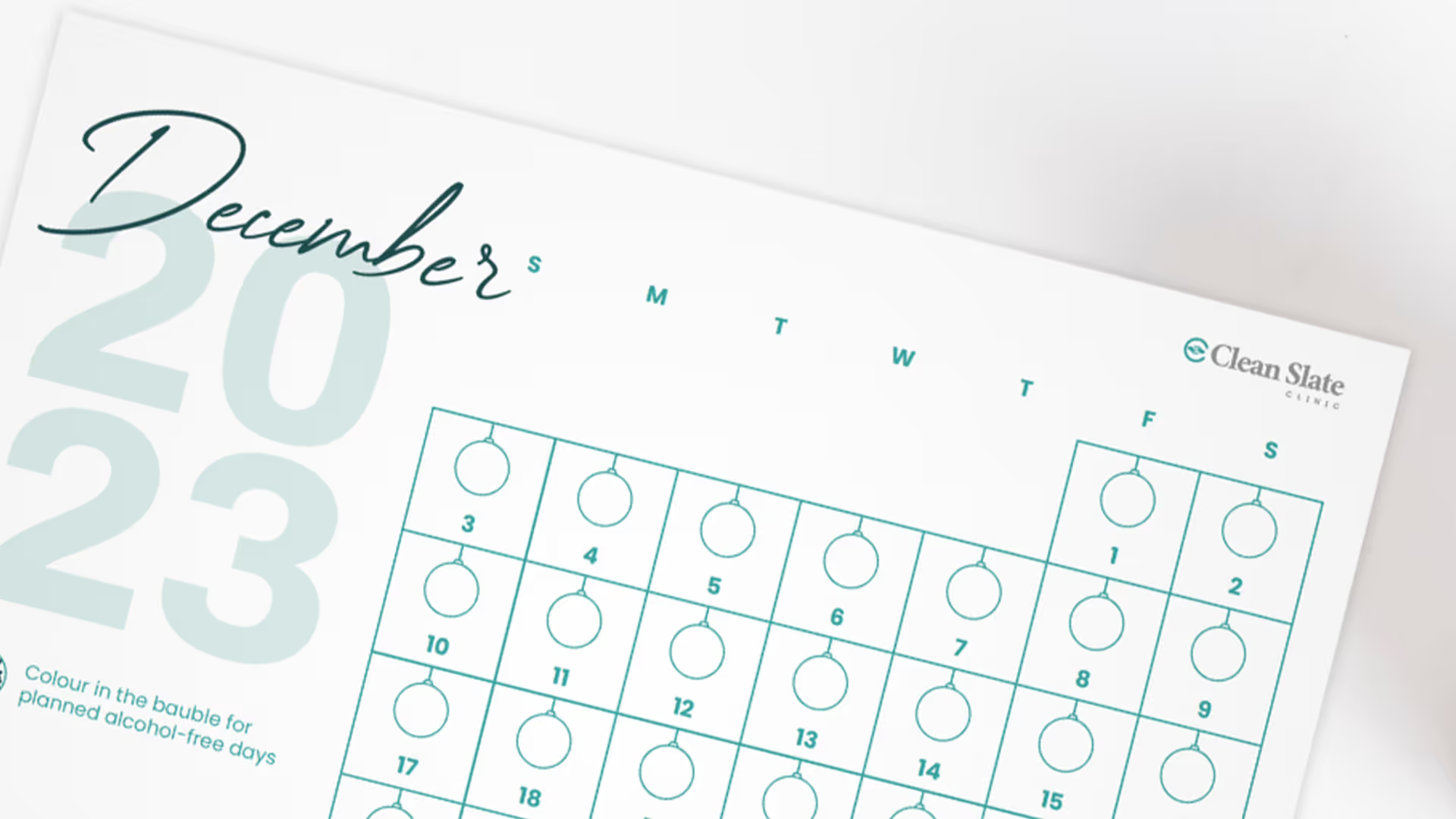
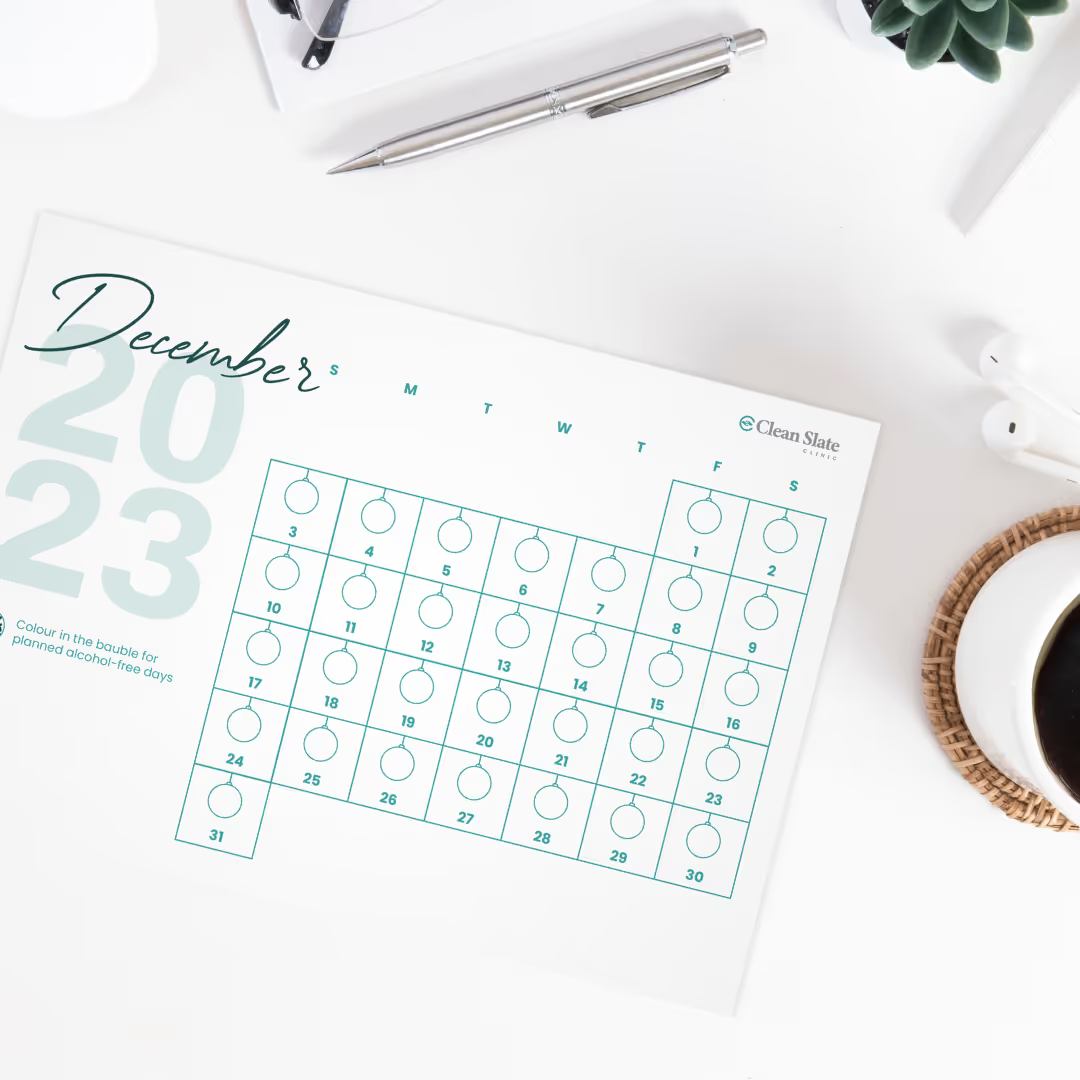
Plan Ahead for a Clean Slate in 2024
Are you considering a change to your relationship with alcohol in the lead up to Christmas?
Making a commitment to the decision to make this transformative change in your life can be a powerful and inspiring act. While it can often be a challenging journey ahead, it's the most important first step. Take it all in, and use this renewed sense of purpose to hold yourself accountable with a bit of a plan ahead.
You don't have to dive right in, ease into the new year with planned alcohol-free or alcohol-lite days over December using our calendar template.
Download here

Evaluation of the Clean Slate Clinic Program by The University of Sydney
Read the full evaluation of our our program by The University of Sydney, demonstrating the high adoptability, acceptability and effectiveness of our model in successfully supporting individuals into recovery from alcohol dependence.
Clean Slate Home Detox Evalution.pdf

Developing Thiamine Deficiency from Alcohol Use
Thank you to the Alcohol and Drug Foundation for providing the following content on Alcohol and Thiamine. You can read the original article here.
Thiamine, also known as vitamin B1, is an essential nutrient used by the body to convert food into energy.
Thiamine takes the fats, proteins and carbohydrates we consume and uses them to fuel functions of the heart, nerves and brain.(1)
Because the body cannot produce thiamine, it must be consumed through foods like:
- whole grain products such as cereals, rice, pasta, and flour
- wheat germ
- beef and pork
- trout and bluefin tuna
- eggs
- legumes and peas
- nuts and seeds.(2)
Smaller amounts of thiamine are present in fruit, vegetables and dairy products.(2)
Thiamine is also added to food products like bread and is available as a dietary supplement.(3)
Thiamine deficiency
Thiamine deficiency, although rare in most developed countries, is common in people who drink excessive amounts of alcohol.
Up to 80% of people with an addiction to alcohol develop thiamine deficiency.(1)
Heavy alcohol use causes inflammation of the stomach lining and digestive tract, which reduces the body’s ability to absorb vitamins. Poor dietary choices and a lack of nutrition also rob the body of essential vitamins.(4)
Thiamine deficiency can cause:
- loss of appetite
- constipation
- fatigue
- blurry vision
- changes in heart rate
- irritability
- nausea and vomiting
- reduced reflexes and tingling sensation in the arms and legs
- shortness of breath
- muscle weakness.(1,5)
Other people at risk of thiamine deficiency include older adults, people who’ve had bariatric (weight loss) surgery, and people with HIV/AIDS or diabetes.(1)
What happens if I’m thiamine deficient?
The early stages of thiamine deficiency often go undiagnosed as the initial signs – decreased appetite, constipation and fatigue – are non-specific. If the body continues to experience a lack of thiamine absorption, it can lead to serious health conditions including beriberi and Wernicke-Korsakoff syndrome. Both conditions can be fatal if not treated.(1)
Beriberi
There are two types of beriberi - wet beriberi and dry beriberi.(6)
Wet beriberi affects the heart and circulatory system and in extreme cases can cause heart failure.(6)
Dry beriberi damages the nerves and can lead to decreased muscle strength and eventually, muscle paralysis.(6)
Wernicke–Korsakoff’s syndrome
Wernicke-Korsakoff’s syndrome most commonly occurs in alcohol-dependent people.
This nerve and brain disease is made up of two conditions/phases – Wernicke encephalopathy, which occurs first and then progresses to Korsakoff’s syndrome.(1)
Wernicke’s encephalopathy is life threatening. Symptoms include:
- confusion
- loss of memory activity
- loss of muscle coordination and leg tremors
- double vision, abnormal eye movements or eyelid drooping.(1,4)
Wernicke’s encephalopathy is usually reversible through treatment but can progress to Korsakoff’s syndrome - a chronic and disabling condition characterised by severe short-term memory loss, hallucinations and impaired ability to acquire new information.(1)
Treating thiamine deficiency
Thiamine deficiency can be treated by stopping alcohol consumption, eating a nutritious diet and by taking vitamin B1 supplements.(1)
However, diet and supplements alone are not effective if heavy alcohol use continues because alcohol will block absorption. If you’re concerned about vitamin depletion as a result of drinking alcohol, talk to your health professional.
References
- National Institute of Health (NIH). Thiamin [Accessed 27 October 2021].
- Medline Plus. Thiamin [Accessed 27 October 2021].
- Food Standards Australia New Zealand. Thiamin levels in Australian breads: Results from the 2010 and 2012 national bread surveys Food Standards Australia New Zealand [Accessed 27 October 2021].
- Medline Plus. Wernicke-Korsakoff syndrome [Accessed 27 October 2021].
- Healthline. 11 Signs and Symptoms of Thiamine (Vitamin B1) Deficiency [Accessed 27 October 2021].
- National Health and Medical Research Council (NHMRC). Thiamin [Accessed 27 October 2021].

Podcasts and Blogs
Podcasts
Not Drinking Today Podcast - The Critical Role Anti-Craving Medications Can Play in Alcohol Recovery: Dr. Chris Davis joins hosts Meg and Bella on the show.
Learn about the critical role anti-craving medications, such as Naltrexone and Campral can play in alcohol recovery. Dr. Chris Davis provides science backed info on how these medications work to reduce cravings, how long you need to be on them, how often you need to take them, how safe they are to use, how to talk about them to your GP, and which craving medications work better than others depending on your unique circumstances.
The GP Show - Alcohol Recovery and the Clean Slate Clinic with Dr Chris Davis and Flip Prior
Learn more about Clean Slate Clinic from Founder and GP Chris Davis, alongside Flip Prior who has given up alcohol thanks to the Clean Slate program.
Just a GP - Doing Outpatient Alcohol Detox with Chris Davis
Join the 'Just a GP' hosts as they explore with Clean Slate Clinic GP, Chris Davis, how to do an outpatient alcohol detox.
Flip Prior - ABC Life - 'A year off Drinking"
Clean Slate Clinic's own GP, Chris Davis, helped Flip Prior give up alcohol for good. Hear from Flip about her experience and her plans from here.
Take a Break from Drinking by Rachel Hart
"I was taught that everyone should be able to hold their liquor; and if you couldn’t, something was wrong with you. I didn’t feel like a normal drinker, but I also wasn’t an alcoholic. For years, I felt like I was in no man’s land with no idea how to figure this out."
Listen to Rachel Hart's podcast to start learning how habits work and gain a new perspective on your drinking.
Sober Awkward by Victoria Vanstone and Hamish Adams-Cairns
Join Vic and Hamish on this hilarious and relatable podcast about being sober in a world soaked in alcohol. Each week they discuss different boozy topics and open up a shame shed of humiliating stories, bringing humour and honesty to sobriety.
Blogs
William Porter - Alcohol explained
The definitive, ground breaking guides to alcohol, alcoholism and addiction.
This Naked Mind
Bestselling Author of 'This Naked Mind' and 'The Alcohol Experiment', Annie Grace, provides great resources alongside her books, with the blog being quite insightful.
Hello Sunday Morning
The site includes resources and tips for cutting back on drinking, as well as information on Daybreak, their powerful support app to help you reset your drinking habits with a supportive online community and free health coaching.
UntoxBlog - Untoxicated
Untoxicated is an alcohol-free social tribe with regular events in Brisbane, Sydney, Melbourne and peer support online. They also have a blog with contributions from the numerous Untoxicated members.

TED Talks and Videos
A simple way to break a bad habit
Judson Brewer
Can we break bad habits by being more curious about them? Psychiatrist Judson Brewer studies the relationship between mindfulness and addiction — from smoking to overeating to all those other things we do even though we know they're bad for us. Learn more about the mechanism of habit development and discover a simple but profound tactic that might help you beat your next urge to smoke, snack or check a text while driving.
Making sober less shameful
Clare Pooley
Clare Pooley gave up alcohol in March 2015; months later she was diagnosed with breast cancer. She told everyone about the breast cancer, but, ashamed, kept her decision to stop drinking secret. Now, three years later, she has given up anonymity, and is on a mission to make sobriety less shameful for everyone. Clare Pooley describes herself a ‘a middle aged, over educated, over privileged, (formerly) overweight Mum of three who had a long love affair with high priced, good quality wine until she realised that the relationship was going nowhere.’
Gray area drinking
Jolene Park
In this engaging talk, Jolene Park shares her experience of gray area drinking — the kind of drinking where there’s no rock bottom, but you drink as a way to manage anxiety and then regret how much and how often you drink. Regardless of the cause of anxiety or discomfort in your life, and regardless of whether you’re using alcohol or another substance or behavior as an attempt to manage stress, Jolene uses her expertise as a Functional Nutritionist to explain the importance of replenishing your neurotransmitters in a comprehensive and consistent way, especially if you want to get off the stopping and restarting drinking merry-go-round.
Everything you think you know about addiction is wrong
Johann Hari
What really causes addiction — to everything from cocaine to smart-phones? And how can we overcome it? Johann Hari has seen our current methods fail firsthand, as he has watched loved ones struggle to manage their addictions. He started to wonder why we treat addicts the way we do — and if there might be a better way. As he shares in this deeply personal talk, his questions took him around the world, and unearthed some surprising and hopeful ways of thinking about an age-old problem.

Alcohol Information
This is some useful information about what constitutes a standard drink for your drink diaries, what is risky drinking and some of the benefits of cutting down.
Download the PDF:
Clean Slate Clinic - Alcohol information.pdf
Download the Word document:
Clean Slate Clinic - Alcohol information.docx
Assessing your alcohol intake
Typical servings of alcohol tend to be considerably higher than one standard drink - this is important when calculating your daily and weekly alcohol intake - people are often surprised at how many standard drinks they actually consume.
Lower Risk Drinking
Lower risk drinking is defined as regularly drinking no more than 10 standard drinks for men and women.
Lower risk drinking is associated with: increased relaxation; sociability; and reduced risk of heart disease (for men over 40 and post menopausal women)
Risky Drinking
Risky drinking is defined as regularly drinking 16-40 standard drinks per week for men and 10 - 28 standard drinks for women.
Harmful Drinking
Harmful drinking is defined as regularly drinking 40+ standard drinks per week for men and 28+ standard drinks for women.
Risky and harmful drinking have progressively increasing risk of:
- Low energy
- Memory loss
- Relationship problems
- Cancer
- Depression
- Insomnia
- Impotence
- Injury
- Cardio-vascular disease
- Alcohol dependence
- High blood pressure
- Liver disease
Benefits of Cutting Down
There are many benefits to cutting down your alcohol intake, particularly if you are drinking at risky or harmful levels.
Psychological / Social / Financial Benefits
- Improved mood
- Improved relationships
- Reduced risks of drink driving
- Financial savings
Physical Benefits
- Better sleep
- More energy
- Weight loss
- No hangovers
- Reduced risk of injury
- Improved memory
- Better physical shape
- Reduced risk of high blood pressure / cardiovascular disease
- Reduced risk of cancer
- Reduced risk of liver disease
- Reduced risks of brain damage

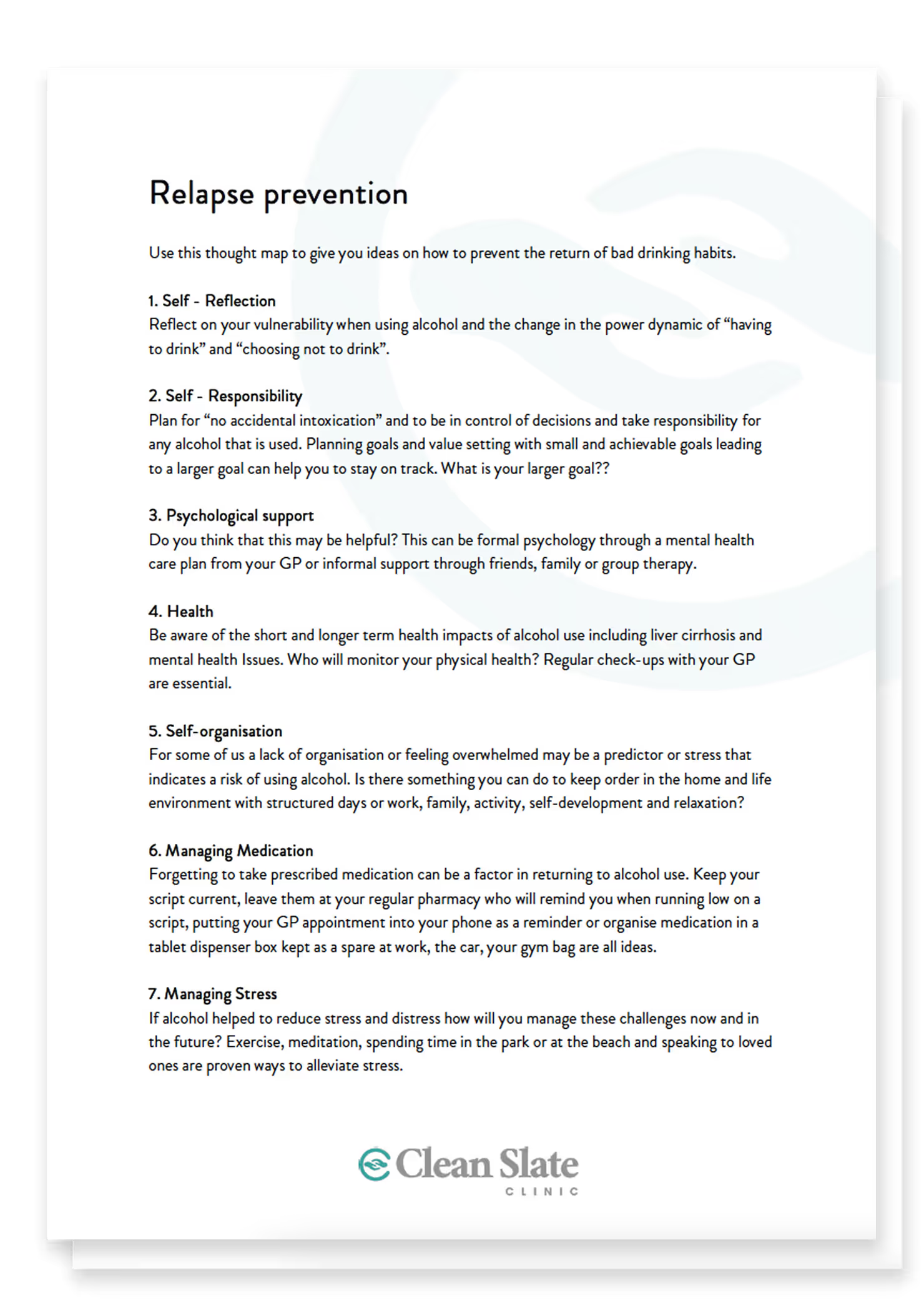
Relapse Prevention
Use this thought map to give you ideas on how to prevent the return of bad drinking habits.
Download the PDF:
Clean Slate Clinic - Relapse prevention suggestions.pdf
Download the Word document:
Clean Slate Clinic - Relapse prevention suggestions.docx
Preview:
I've been prescribed Campral - what is it?
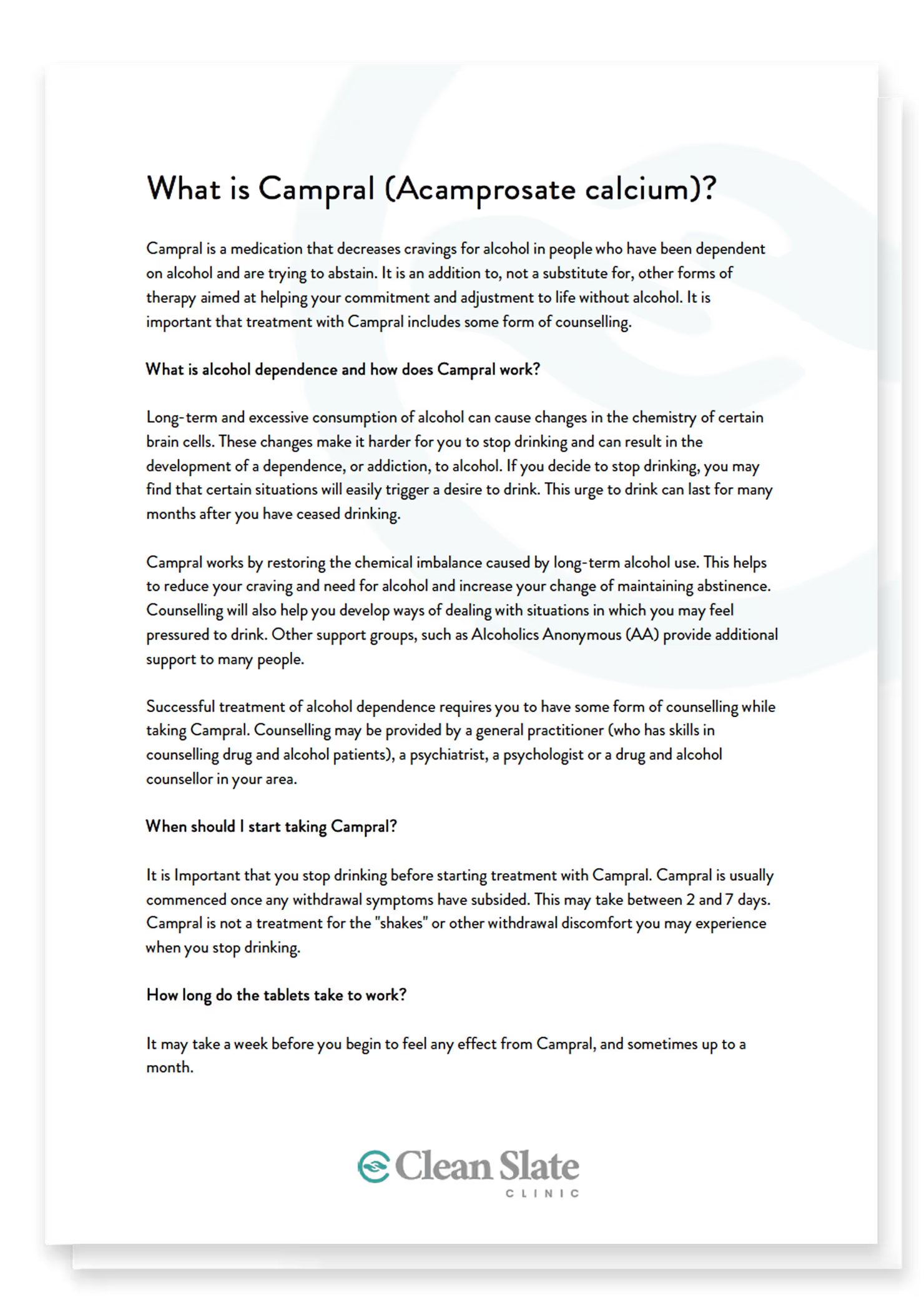
Campral is a medication that decreases cravings for alcohol in people who have been dependent on alcohol and are trying to abstain. It is an addition to, not a substitute for, other forms of therapy aimed at helping your commitment and adjustment to life without alcohol. It is important that treatment with Campral includes some form of counselling.
Learn more about Campral by downloading the document below.
This information has been prepared to answer some of the common questions you may have about Campral. If you have a concern about any medicine you are taking, you should always consult your doctor or pharmacist.
Download the PDF:
Clean Slate Clinic - What is Campral_.pdf
Download the Word doc:
Clean Slate Clinic - What is Campral_.docx
Preview:
.svg)







Ready to get started?





Subscribe


.avif)