Alcohol rehab in Brisbane, without leaving home











Is this rehab?
- A full medical assessment.
- A medicated detox overseen by your named doctor.
- Daily nurse check ins throughout your detox.
- Eleven months of aftercare.
Residential rehab, or treatment at home




Meet the team

Fiona Faulkner
Fiona Faulkner
Fiona has extensive experience in the Alcohol and other Drug and Mental Health fields and is passionate about working with clients and communities to ensure those persons struggling with substance use have access to Clean Slate Clinic withdrawal and recovery support as part of their treatment and long-term recovery. In her clinical work, Fiona uses a strengths-based approach applying principles and skills from ACT (Acceptance & Commitment Therapy), CBT (Cognitive Behavioural Therapy) and mindfulness.


Dr Chris Davis
Dr Chris Davis
Chris Davis is dual trained as a GP and an Addiction Medicine Specialist (FAChAM). He established the Clean Slate Clinic in Sydney to provide in-person primary care alcohol withdrawal and recovery services, after successfully implementing the model in the UK. Chris is a recognised expert in the field and is currently providing training to other GPs through the RACGP.

Dr Jenny Lee
Dr Jenny Lee
Jenny is an Australian-trained General Practitioner who is enthusiastic about all aspects of primary care, including addiction medicine. She is a strong believer in the power of incremental change and feels privileged to provide assistance to patients in their recovery journey.

Lucinda Scopelliti
Lucinda Scopelliti
Lucy Scopelliti is a nurse practitioner who has worked over 20 years in the drug and alcohol field. Her practice has been autonomous in both drug withdrawal inpatient and outpatient programs, consultation and management of patients including hospital and correctional settings. Her expertise enables her to represent drug and alcohol nurses at a state and national level, and she is an executive member of the Drug and Alcohol Nurses of Australasia (DANA).
Catherine Smith
Catherine Smith
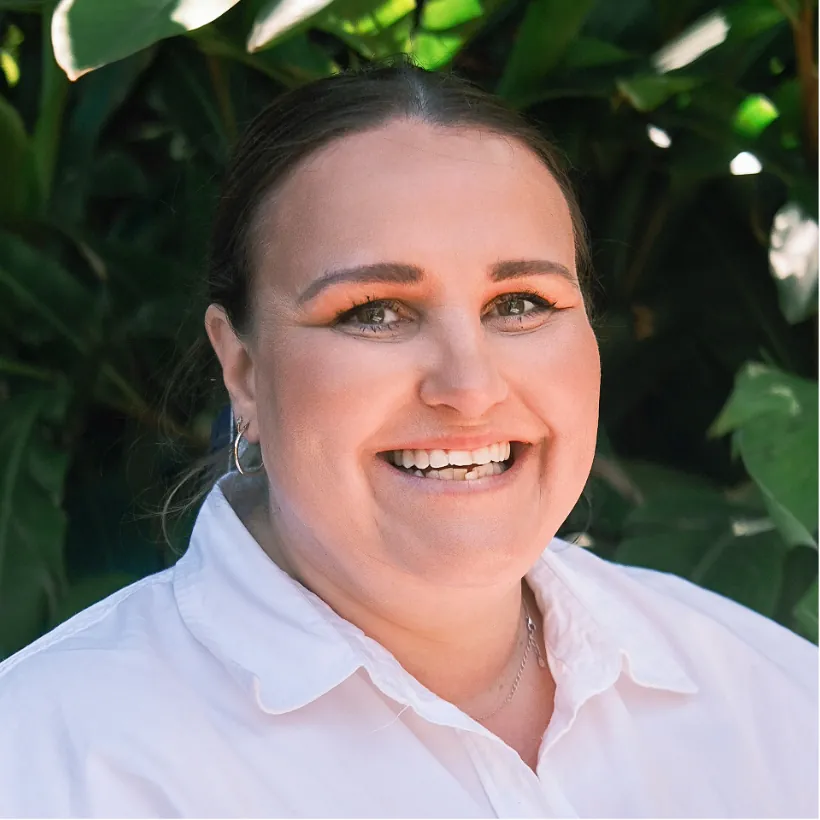
Catherine came to nursing later in life after caring for an ill family member. With a background in mental health, Catherine developed a growing passion for supporting people with alcohol and other drug concerns, and feels deep empathy for people who feel lost in their substance use - her professional mission is to support clients to understand that their substance use is not who they are and to remember they are a whole person with many other qualities that have meaning in their lives.

Marion Jarvis
Marion Jarvis
Marion (Maz), is a dedicated individual passionate about Alcohol and Drugs and mental health. With eight years of experience in this field and a nursing background spanning three decades, Marion is committed to guiding individuals toward becoming their best selves. Known for being nurturing, accepting, and motivated, Marion stands firmly by individuals on their journey to recovery, offering unwavering support.

Dr Paul Grinzi
Dr Paul Grinzi
Paul is a GP with a career long interest in addiction and substance use issues. Paul is also a medical educator, assisting colleagues with their understanding of both general practice broadly, and alcohol and other drug issues. Paul’s philosophy for supporting clients is underpinned by a belief that everyone should have access to care that is non-stigmatised and treats their health issue for what it is – a health issue, rather than something moralistic.
Over 12 months, you'll receive premium care from leading addiction clinicians in Australia.


You’ll undergo a medicated detox without needing to go to a clinic. Our clients tend to require less time off from work than an in-house detox. We do we require that you inform a close friend or family member and you local GP, but we do not require anyone else or your employer to be informed.
We’ll provide an assessment before you start the program to ensure it’s safe for you. If your appointed clinician does not consider this program safe for you, they will recommend other options.
From day one, you’re matched with a dedicated nurse who stays with you throughout your journey. Every detox is overseen by your named doctor, with daily nurse check‑ins to keep you safe, comfortable, and supported. Medication is managed in consultation with your doctor and dispensed through your chosen pharmacy, fully briefed in advance.
After detox, you’ll meet your doctor again to celebrate progress and plan next steps. With regular nurse contact across 11 months of aftercare, you’re never alone. You’ll have consistent medical guidance and accountability throughout your recovery journey.
Your journey starts with your goals; whether abstinence or moderation, we co‑design a plan that fits your life. Every detail is personalised: your health, relationships, and routines shape the care you receive. Medical checks ensure your doctor builds the safest detox plan possible, while your welcome kit equips you with supplements, a breathalyser, and a clear program guide.
With daily reflections and resources that explain addiction and recovery, your plan adapts around you; unique, evidence‑based, and designed for lasting change.
Our approach combines gold‑standard medical practice with SMART Recovery group work, CBT‑informed tools, and whole‑person aftercare. Daily monitoring during detox and ongoing support across nine domains of life mean safer withdrawal, reduced relapse risk, and a recovery plan that’s practical, durable, and designed around you.
Our program is available privately for just $11-$13 per day, depending on how you prefer to pay. Choose $4,200 upfront for the full 12‑month program, or spread the cost at $410 per month. Flexible payment methods, including Afterpay and PayPal, make professional medical care accessible without financial strain.
If you have Private Health Insurance with unrestricted psychiatric hospital cover, most major insurers will fully fund your placement, meaning no out‑of‑pocket cost.
Government‑funded places are also available in select Primary Health Networks (PHNs). For full details on insurers, PHNs, and payment options, visit: Our Pricing.





Ready to get started?





Frequently asked questions
How much does it cost?

Our program is available privately for just $11–$13 per day, depending on how you prefer to pay.
Private
You can choose:
- $4,200 upfront for the full 12-month program, or
- $410 per month if you prefer to spread the cost across the year.
Private Health Insurance and Government Funding
If you have Private Health Insurance with unrestricted psychiatric hospital cover, most major insurers will fully fund your placement with us - meaning there is no out-of-pocket program cost for you.
We also have Government-funded places available in select Primary Health Networks (PHNs).
For more detail on which insurers cover the program, which PHNs we work with, and available payment methods (including Afterpay and PayPal), visit:
Our pricing.
Please note: the cost of any prescription medications and dispensing fees is not included in the program price. These are paid directly to your local pharmacy. Most medications we prescribe are PBS-subsidised, keeping out-of-pocket costs low.
Can I detox from alcohol at home?
Most people can safely be detoxed at home, but you would need an assessment with a nurse to ensure it is safe for you.
Will my information be kept confidential?
Yes. Clean Slate Clinic is a strictly confidential service. Our clients privacy is our highest priority. Your data will not be shared unless a) we have your consent or b) we are legally required to do so*.
*Mandatory reporting to professional bodies may legally apply if your occupation carries the possible risk of harm to the public, if your duties are performed while intoxicated. This will only be done following discussion with you, and where you are unable, or unwilling to complete the report yourself.
Read our Privacy Policy here.
What can I do whilst I'm waiting for my first appointment?
Once you’ve completed the suitability test, you will receive an email directing you to schedule a call with our team.
We don’t advise anyone to change their drinking habits until they've spoken with our team.
Can I still go to work during my detox?
We advise about a week off for a medicated detox, but this can be discussed with your clinician.
Your clinician can help you choose the best week for your detox. After detox week, the rest of the program is designed to fit around work and family life with minimal disruption.
Do I need to tell anyone I'm going through a detox?
To undergo the Clean Slate Clinic you will need a close friend or family member to support you through your detox and to inform your local GP you are going through the program. Beyond that you are not required to inform your employer or anyone else.
What is the Clean Slate Clinic?
Evidence-based detox support service for Australians looking to detox from home.
How does it work?
Preparation (2-3 weeks)
- One of our nurses will assess your suitability with you
- You’ll have access to our online resources to support you through the detox
- Finding your support person and local GP
- We will do some basic tests, including a blood test
- We will build a vitamin regime with you
- You’ll talk to our Clean Slate GP managing your detox
Detox (1 week)
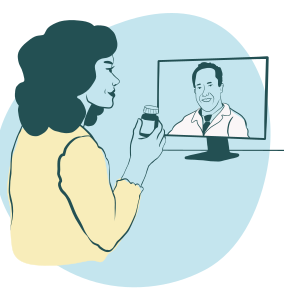
- You’ll have a daily video call with one of our nurses
- You’ll have a daily medication regime to relieve withdrawal symptoms and cravings
- Daily breathalyzer and withdrawal screening
Aftercare (11 months)
- Post detox review with the Clean Slate GP and your allocated nurse
- Nurse review weekly for 3-4 weeks then at months 2, 3, 6, 9 and 12.
- You’ll have access to prescribed anti-craving medication if suitable
- Access to multiple peer-supported 'SMART Recovery' meetings each week, facilitated by our trained team
- Signposting and referral to other support services
- You’ll have an individual care plan
Do I have to tell my GP?
You will need a local GP to support you in the delivery of ongoing care and management, depending on your individual circumstances.
Can you prescribe anti-craving medication?
Yes, if it is clinically suitable. Your clinician will consider anti-craving medication as part of your personalised care plan.
I'm a healthcare worker - what about mandatory reporting?
What is it about healthcare workers?
Healthcare workers face unique challenges when it comes to seeking help for alcohol and other drug use disorders. In addition to the usual barriers people face, fear of being reported to AHPRA (mandatory reporting) prevents healthcare workers from pursuing treatment and seeking support.
Healthcare workers spend their professional lives caring for others, sometimes to their own detriment. The profession places a high value on competence, resilience and self-sufficiency leading some professionals to believe they should be able to manage their substance use without help.
Long hours leave little time for self-care. Demanding and often unpredictable schedules can make accessing treatment difficult. Stressful environments that prioritise productivity over well-being discourage individuals from taking time off for treatment.
In addition to fears of mandatory reporting, and the stigma that exists in this field, fears about reputation, training, career progression, and colleague perceptions can also prevent healthcare workers from seeking help. Healthcare workers in small communities may face further challenges regarding anonymity.
Safe, effective and evidence-based treatments exist, and we know that seeking help early prevents most fears from being realised. When treatment is not accessed in a timely way, there is a higher chance of things reaching crisis point, increasing the likelihood of an AHPRA report.
What is mandatory reporting?
Mandatory reporting is a legal requirement for registered health practitioners and their employers to report certain types of conduct by other health practitioners. Fear of being reported is one of the primary reasons HCWs do not reach out for help, despite less than 1% of all reports resulting in loss of registration (BDI)
Recent changes to Australian law and the threshold for reporting were made to help ensure that health professionals aren’t unfairly penalised for being diagnosed with a physical or mental health condition. These changes were intended to encourage workers to seek care and treatment for these conditions before they become impairments.
Who must report?
All health practitioners (health professionals whose work involves caring for patients) and their employers (e.g. hospitals, clinics) are required to make a mandatory notification (also called a mandatory report) to AHPRA if they have a reasonable belief that another health professional is putting patients at substantial risk of harm.
Who CAN report?
Anyone can make a report to AHPRA.
What must be reported?
Mandatory reports must be made if it is believed, on reasonable grounds, that a health practitioner:
- is practising while intoxicated.
- is practising with an impairment that is not being managed by effective controls
- is engaging in, or has engaged in, or being at risk of engaging in sexual misconduct in connection with their practise of medicine.
- Is practising in a way that significantly departs from accepted professional standards.
What does ‘Reasonable Belief’ Mean?
The threshold for mandatory reporting is having a ‘reasonable belief’ that a treating healthcare worker is putting patients or the public at substantial risk of harm.
The AHPRA guidelines refer to both “reasonable belief” and “reasonable grounds”. These are essentially the same principle and both refer to knowledge of information that would cause a reasonable person to believe that the conduct occurred.
Absolute proof is not required but there must be direct knowledge (not just a suspicion) that the incident or behaviour occurred. Rumours, gossip or innuendo are not enough to form a reasonable belief.
It is worth pointing out that the threshold for reporting is lower in instances of sexual misconduct. All health professionals are encouraged to make a report even if the sexual misconduct is not likely to result in substantial risk of harm
Impairment v Health Conditions
A health condition is not the same as an impairment. Recent changes to Australian law have provided clarity on the differences between impairments and health conditions. These changes are designed to ensure that health professionals aren’t unfairly penalised for being diagnosed with a physical or mental health condition. They are also intended to encourage workers to seek care and treatment for these conditions before they become impairments.
Impairment is defined by the detrimental impact on someone’s ability to practise medicine. That is, an illness or condition that has, or is likely to have a detrimental impact on a practitioner’s capacity to provide safe care to patients. It must be :
- wide ranging or severe
- not being managed by adequate treatment, supervision or other limitations on practice
- associated with substantial risk to the public.
Alcohol and other Substance Use Disorders
The use or misuse of alcohol or other drugs outside the workplace alone is not sufficient grounds for a mandatory notification to AHPRA. Intoxication while practising is sufficient grounds for a report.
Mental Health Conditions
A mental health diagnosis, including an alcohol or substance use disorder, is not sufficient grounds for a mandatory notification to AHPRA. If the condition does not meet AHPRA’s definition of an impairment (that is, it doesn’t have a detrimental impact on someone’s ability to practise) and the practitioner poses no risk to patient safety, there is no need to make a report.
Failure to address mental health conditions and substance use disorders, increases the likelihood that the condition will develop into an impairment.
Effective Controls
Not all impairments need to be reported. If a health practitioner is engaging with activities (called ‘effective controls’) that reduce the impact of their impairment and its risk of harm to patients, AHPRA does not need to be notified.
Examples of effective controls include:
- Treatment (such as that provided by Clean Slate Clinic)
- A break from practice such as sick leave
- Modified scope of practice
- Strategies to manage the impacts of impairment (eg working with your employer to ensure safety)
- Compliance with monitoring and supervision, or
- A reasonable belief that AHPRA has already been notified
Other factors - like circumstance, whether the health practitioner works alongside colleagues or alone, and whether controls like oversight and incident reporting, insight and self-reflection, and engagement with treatment are being used to mitigate risk – should also be considered.
If you are concerned that a colleague is practising while impaired, it is important to understand whether the impairment is placing patients at substantial risk of harm.
To determine whether an impairment should be reported, the following should be considered:
- The extent and seriousness of the impairment
- The availability of peers to provide support and supervision to the practitioner in question
- Whether the impairment is likely to respond to treatment
- Whether the practitioner is willing to engage with treatment
- Whether strategies put in place to manage the impairment are effective
Treatment with Clean Slate
Our team of specialist clinicians use virtual care and digital technology to provide withdrawal & recovery support to all individuals, no matter where they live. Our healthcare worker pathway has been designed with the specific needs of healthcare workers, facilitating access to safe, confidential, effective, timely and expert withdrawal management and aftercare.
Confidentiality
Confidentiality and privacy are extremely important to healthcare workers, especially those working in small communities. Our team is highly sensitive to confidentiality and privacy concerns and uses an innovative virtual care model to provide withdrawal and recovery support to all individuals. This helps overcome the unique barriers that healthcare workers face by keeping your care largely in the comfort of your own home.
Clean Slate is not funded by medicare so interactions with Clean Slate will not leave a medicare footprint. Clinical interactions will also not be recorded on My Health Record, although prescribing records will be visible. Any prescribing of monitored medications by Clean Slate clinicians will also appear on real time prescription monitoring i.e ‘Safescript’.
Is the purpose of CSC to find and report healthcare workers who are not fit to practice?
Absolutely not. The CSC healthcare worker pathway exists to support people in enabling safe, effective and confidential support and treatment. We recognise and understand the unique challenges faced by healthcare professionals and our goal is to help you overcome these as quickly and as easily as possible to help you and your colleagues do your jobs safely.
Seeking help can reduce the risk of someone being reported to AHPRA and can prevent a health condition from becoming an impairment. And if an impairment exists, engaging with effective controls (such as seeking treatment, taking a break from work, complying with monitoring and supervision) can remove the requirement for mandatory reporting.
How will you report me?
If, during your treatment with Clean Slate, there are concerns about fitness to practice, the initial step will be a discussion with you. If reporting is required, we will encourage you to self-report and support you to do so. If this does not happen and our concerns remain unaddressed, Clean Slate will make a mandatory report to AHPRA. This will happen with full open communication with the practitioner.
Will my registration be cancelled if a mandatory notification is made about me?
While this is a valid concern, mandatory notifications about health practitioners are very rare and less than 1% of mandatory notifications received by AHPRA result in the cancellation of registration. Clean Slate Clinic will continue to work with the practitioner to support their well being.
AHPRA’s Guidelines: Mandatory Notifications About Registered Health Practitioners (2020)
Is home alcohol detox safe?
Alcohol withdrawal can be serious, so a safe home detox is planned and supervised. At Clean Slate Clinic, a named doctor oversees your detox plan, a clinician checks in with you by video every day of detox week, and any medication is dispensed by your local pharmacy. You also need a support person with you and a local GP involved in your care.
Who home detox may not suit
Home detox may not be safe if you have had alcohol withdrawal seizures or delirium tremens before, have severe liver disease or other serious medical problems, or don’t have a safe place to stay and a support person. If that applies to you, your clinician will recommend other options, such as a hospital-based detox.
What the evidence shows
In a University of Sydney evaluation of Clean Slate Clinic’s home detox service, everyone who started detox completed it (50 of 50), and 84% of those who reported back (42 of 50) were meeting their alcohol goals one month later. Of the 61 people who enrolled, 11 left before their detox began. See our research and outcomes page for the method and its limits.
If you may be dependent on alcohol, don’t stop drinking suddenly without medical advice.
Does private health insurance cover alcohol detox?
Clean Slate Clinic’s program is delivered at home rather than as a hospital admission. Our funding arrangements with private health insurers apply to Gold hospital cover only, and each fund has its own eligibility rules. For example, some funds check how much you have been drinking, or whether you have used a similar program before.
If you are eligible, your insurer may fund the program cost. Prescription medicines and pharmacy dispensing fees are paid to your pharmacy, and most medicines we prescribe are PBS-subsidised.
If you don’t have Gold hospital cover
The program costs $4,200 upfront or $410 a month. Government-funded places are also available in some Primary Health Network (PHN) regions for people who can’t afford the program privately. Medicare can’t be claimed for the program.
Take the suitability test to see if home detox is right for you. If it is, our team will help you check your funding options.
Does Medicare cover home alcohol detox?
Clean Slate Clinic is not funded by Medicare, so you can’t claim a Medicare rebate for the program. Public hospital and community withdrawal services are free, but they can have waiting lists and are often in-person.
Ways to pay for Clean Slate Clinic
- Privately: $4,200 upfront or $410 a month for the 12-month program.
- Private health insurance: some insurers fund the program for members with Gold hospital cover, subject to eligibility.
- Government-funded places: available in selected Primary Health Network (PHN) regions for people who can’t afford the program privately.
Because Medicare isn’t claimed, your appointments with Clean Slate Clinic are not recorded on My Health Record. Prescriptions you fill at a pharmacy are still recorded in the usual way.
How long does alcohol detox take?
Withdrawal symptoms usually start 6 to 24 hours after your last drink and are often worst in the first 1 to 3 days. For most people they settle within a week. Sleep problems, low mood and cravings can last longer, which is one reason ongoing support after detox matters.
How the Clean Slate Clinic program is timed
- Preparation (2 to 3 weeks): clinical assessment, blood tests, a vitamin plan and choosing your support person.
- Detox (1 week): daily video check-ins with a clinician and a medication plan if you need one.
- Aftercare (11 months): clinician reviews, daily group support and anti-craving medication if suitable.
We advise about a week off for a medicated detox, but this can be discussed with your clinician. After that, the program causes minimal disruption to work or family life.
What are the symptoms of alcohol withdrawal?
Common symptoms
- Shaky hands (tremor)
- Sweating
- Anxiety, restlessness or irritability
- Nausea or vomiting
- Fast heartbeat or high blood pressure
- Trouble sleeping and vivid dreams
Severe symptoms
A small number of people have seizures, usually in the first 48 hours, or delirium tremens (confusion, seeing or hearing things, fever). Call 000 if someone has a seizure, becomes confused or sees things that aren’t there.
Making withdrawal safer
A medically supervised detox uses an assessment beforehand, daily checks and, where needed, medication to keep symptoms safe and manageable. At Clean Slate Clinic this happens at home, with a named doctor overseeing your plan.
Is it safe to stop drinking cold turkey?
If your body has got used to alcohol, stopping all at once can trigger withdrawal. Signs you may be dependent include drinking in the morning, getting the shakes or sweats when you stop, or needing more alcohol to feel the same effect.
What to do instead
- Speak to your GP or a clinical service before you stop.
- Don’t change your drinking suddenly until you have medical advice.
- If it’s right for you, a medically supervised detox lets you stop safely, with medication if you need it.
If you drink less and don’t get withdrawal symptoms, stopping or cutting down is usually safe, but it is still worth getting advice and support.
How much does alcohol rehab cost in Australia?
What the program includes
Preparation, a medically supervised home detox and 11 months of aftercare: clinician reviews, daily group support, drop-in sessions and anti-craving medication if suitable.
What isn’t included
Prescription medicines and pharmacy dispensing fees are paid to your pharmacy. Most medicines we prescribe are PBS-subsidised.
How this compares
Public detox and rehab services are free but can have waiting lists. Private residential rehab usually costs more, because it includes accommodation and 24-hour staffing. Medicare doesn’t cover private home detox programs.
What is the difference between home detox and residential rehab?
Home detox
- You stay at home with a support person.
- A clinician checks in every day of detox week and a doctor oversees your plan.
- At Clean Slate Clinic it is followed by 11 months of aftercare.
Residential rehab
- You live in a facility with 24-hour staff.
- Stays are usually several weeks.
- It usually costs more because it includes accommodation.
Which is right for you?
Residential or hospital care is safer if you have had withdrawal seizures or delirium tremens, have serious medical problems, or don’t have a safe home or support person. For many others, a supervised home detox followed by aftercare is the clinical-guideline pathway, delivered at home. A clinical assessment will tell you which is right for you.
Can I cut down on alcohol instead of quitting completely?
You don’t have to commit to never drinking again to get help. At the start of the program you agree a goal with your clinician, which can be stopping or drinking less. For some people who are very dependent on alcohol, a clinician may advise that stopping is the safer goal, and they will explain why.
Support that helps you cut down
- Regular one-to-one reviews with your clinician.
- Facilitated SMART Recovery groups, which are CBT-based and run every day.
- Anti-craving medication if it is clinically suitable.
What happens after alcohol detox?
Aftercare at Clean Slate Clinic
- A doctor review after detox, and an update to your GP with your consent.
- Clinician reviews weekly for 3 to 4 weeks, then at months 2, 3, 6, 9 and 12.
- Facilitated SMART Recovery groups every day, including weekends.
- Drop-in sessions and monthly masterclasses.
- Anti-craving medication if clinically suitable, prescribed by us for the first two months and then continued with your GP.
Why it matters
In the University of Sydney evaluation of Clean Slate Clinic’s home detox service, average weekly drinking was 76 standard drinks before detox, 5 at one month, 19 at three months and 24 at six months, among people who answered follow-up. Drinking stayed far below where it started, and ongoing support helps keep it there. See our research and outcomes page.
How do I know if I’m drinking too much?
Many people who drink at risky levels don’t see themselves as heavy drinkers. In a 2025 survey of 2,037 UK adults co-authored by Clean Slate Clinic, Adfam and the University of Sussex, 9 in 10 people whose drinking scored as higher risk did not describe themselves as heavy drinkers. See our research and outcomes page.
Signs it may be time to get help
- You drink more than you plan to, or on more days than you want to.
- You feel shaky, sweaty or anxious when you don’t drink.
- You drink to manage stress, sleep or low mood.
- People close to you are worried about your drinking.
Clean Slate Clinic’s 2-minute suitability test tells you whether home detox could be right for you.
Can I sign someone else up for alcohol detox?
Joining Clean Slate Clinic’s program is always the person’s own choice. They need to agree to treatment and complete a clinical assessment, so you can’t enrol them on their behalf.
What you can do
- Talk to our team yourself first about how the program works.
- Help them take the next step when they’re ready, such as doing the suitability test.
We won’t contact them unless they get in touch themselves or you have both agreed to it. See our support person resources.
Will Clean Slate Clinic contact my loved one without my permission?
If you contact us because you’re worried about someone’s drinking, we won’t reach out to them unless they contact us themselves or you have both agreed that we should.
Our team can talk you through what the program involves, so you can share it with them when the time is right.
What if my loved one says no to getting help?
Hearing no is common. Many people need a few conversations before they’re ready.
Our team can talk through ways to raise it again, and explain how the program works, so you’re ready when they are. See our support person resources.
What if home detox isn’t right for my loved one?
Every person has a clinical assessment before any detox. If the program isn’t a safe fit, our team will explain why and point you both to other options, such as residential care or public alcohol and drug services.
Read more about who home detox may not suit.
Do I have to be the support person for someone’s home detox?
Everyone doing a home detox with Clean Slate Clinic needs a support person: a close friend or family member who supports them during detox week. It doesn’t have to be you.
If they choose you, we’ll help you feel ready. See our support person resources.
What happens after I complete the suitability test?
Completing the test doesn’t enrol you in the program. It helps you and our team see what support may fit.
Your free onboarding call
- We’ll text you before the call so you know which number we’re calling from.
- We’ll listen to your situation, explain how the program works and what it costs, and answer your questions. It takes about 15 minutes.
- We’ll check funding options, such as private health insurance or government-funded places.
- There’s no obligation. You can take time to think and decide later.
If you go ahead, you’ll have a clinical assessment before any detox. Please don’t change your drinking until you’ve spoken with our team.
Do I need to be ready to stop drinking?
Many people aren’t sure what they want when they first reach out. The suitability test and onboarding call help you explore your options, and completing the test doesn’t enrol you in the program.
If you join, you agree your goal with your clinician. It can be stopping or drinking less. See can I cut down instead of quitting?
Do I need to go to AA as well as the Clean Slate Clinic program?
Clean Slate Clinic’s aftercare includes group support every day, including weekends and public holidays, with facilitated SMART Recovery groups. You also have regular check-ins with your clinician.
Whether you also go to AA or other groups is up to you.
Is Clean Slate Clinic part of Alcoholics Anonymous?
Alcoholics Anonymous (AA) is a free, independent fellowship. Clean Slate Clinic is a separate, confidential medical service.
Our program is a medically supervised detox followed by 11 months of aftercare, delivered at home with your own clinician and an Australian doctor. Aftercare includes facilitated SMART Recovery groups every day.
Can I detox from alcohol without medication?
Not everyone needs medication during detox. The decision is based on your individual clinical assessment, your goals and your safety.
If you may be dependent on alcohol, don’t stop drinking suddenly without medical advice. See is it safe to stop drinking cold turkey?
What medication is used for alcohol detox?
Not everyone needs medication during detox. If you do, your doctor will tailor it to you after your clinical assessment.
During detox
- Diazepam, if clinically appropriate.
- Medicines for nausea and other physical symptoms.
After detox
Anti-craving medicines such as naltrexone or acamprosate may be discussed. If they’re suitable, we prescribe them for the first two months and then your GP continues them.
Medication is dispensed by your local pharmacy and is paid for separately from the program.
How does medical treatment for alcohol dependence work?
Medical treatment for alcohol dependence is delivered by GPs or addiction medicine specialists. A doctor assesses your situation and develops an individual plan to help you reduce or stop drinking safely.
Where clinically appropriate, medication is a well-established part of evidence-based care for alcohol dependence, in Australia and internationally. It works alongside behavioural support, structured monitoring and regular review.
At Clean Slate Clinic, this care is delivered by telehealth: a medically supervised detox at home, then 11 months of aftercare.
Is medical treatment for alcohol dependence available by telehealth?
Telehealth suits this kind of care for several reasons:
- Assessment, review and follow-up work well by video. A doctor can take a full history, discuss your goals, review progress and adjust your plan without an in-person visit.
- Daily check-ins by phone or video during detox allow closer monitoring than fortnightly or monthly GP visits.
- Prescriptions can be collected from your local pharmacy.
- Care at home is private: there’s no waiting room and no risk of being recognised.
Why is medical treatment for alcohol dependence underused in Australia?
Alcohol use disorder is one of the most common health conditions in Australia, but only a small share of people who would benefit from treatment receive it. A 2025 analysis in Drug and Alcohol Review estimated that between 96,000 and 225,000 Australians with alcohol use disorder missed out on treatment in 2022–23, which is roughly 60 to 78% of those who would benefit.¹
Why people miss out
- Stigma
- Limited GP training in addiction medicine
- Specialist services concentrated in major cities
- A common belief that residential rehab is the only real treatment
Clean Slate Clinic aims to close this gap with GP-led, evidence-based care by telehealth, available anywhere in Australia.
¹ Ritter A, O’Reilly K. Unmet treatment need: the size of the gap for alcohol and other drugs in Australia. Drug and Alcohol Review. 2025;44(3):772–782.
Can I get a funded place in Clean Slate Clinic’s program?
Some Primary Health Networks (PHNs) fund places in Clean Slate Clinic’s program. Each network funds a limited number of places, and we confirm your place with you after you book.
What a funded place covers
Your health network pays the full program cost. You pay only for medication and dispensing fees at your pharmacy, and most medication is PBS-subsidised.
Some private health insurers also fund the program for members with Gold hospital cover. See does private health insurance cover alcohol detox? and our funded placements page.
Our partners





























2. Clean Slate Patient Experience Survey October 2025.
Subscribe